

Your successful friend who seems to have it all together just spent his lunch break crying in his car.
He’s not alone. Men are suffering from anxiety, depression, and emotional breakdown at record rates. But here’s the problem: society tells them to hide it. “Real men don’t cry.” “Tough it out.” “Handle your business.” These messages are killing men – literally.
The men’s mental health crisis is bigger than anyone wants to admit. Men die by suicide four times more often than women. They struggle with male depression in silence, using alcohol and anger to mask pain that’s eating them alive. Their emotional struggles stay hidden until it’s too late.
You probably know someone fighting this battle right now. Maybe it’s you.
In this guide, you’ll learn the real scope of this crisis and why it stays invisible. We’ll show you the warning signs everyone misses and give you concrete steps to help – whether you’re struggling yourself or worried about someone you care about.
It’s time to stop pretending this isn’t happening.
The Staggering Reality of Men’s Mental Health Crisis

Something is seriously wrong. Men are dying by suicide at four times the rate of women. In 2023, over 49,000 people died by suicide in the United States, with males making up nearly 80% of these deaths. Yet we barely talk about it.
Here’s what keeps men up at night: the pressure to provide, to be strong, to fix everything. But when those expectations crash into reality, many men don’t know where to turn.
The numbers tell a brutal story. Depression affects 6.2% of men compared to 10.3% of women, but that’s not the full picture. Men show depression differently. They get angry. They work too much. They drink. When researchers included these “male-typical” symptoms of depression, the gap between men and women disappeared entirely.
The real problem? Over 6 million men suffer from depression each year, but male depression often goes underdiagnosed. Only about one in four men with depression actually seek help. That means millions of guys are struggling alone.
Men’s emotional struggles often get buried under booze and pills. Men have alcohol use disorder at much higher rates – 12.9% compared to 8.0% for women. Of the 2.6 million annual deaths from alcohol worldwide, 2 million are men. Alcohol becomes the Band-Aid for pain that never gets properly treated.
The pandemic made everything worse. Economic uncertainty hit hard. Traditional jobs disappeared. Men who built their identity around being providers suddenly couldn’t provide. At one point in 2020, men seeking mental health services increased more than five times over the previous year.
Why don’t men get help? Simple. Society teaches boys that asking for help means weakness. Real men don’t cry. Real men don’t go to therapy. These messages stick. Men often struggle to tell the difference between depression and stress, and don’t know when symptoms are serious enough for treatment.
The workplace adds pressure too. Men are taught to define their worth by their economic contribution. When that gets threatened by job loss or pay cuts, their whole sense of self crumbles.
Male depression signs look different from what most people expect. Instead of sadness, you might see:
- Anger and irritability
- Working constantly
- Risky behavior
- Substance abuse
- Physical complaints like headaches
Here’s what needs to change: We need to recognize that men’s mental health crisis isn’t their fault. It’s how society treats them. Healthcare providers need better training to spot depression in men. We need to make mental health services more accessible and affordable.
Most importantly, we need to change the conversation. Asking for help isn’t weak – it’s smart. Getting treatment isn’t giving up – it’s fighting back.
The men’s mental health crisis is real. But so is hope.
Why Society Teaches Men to Suffer in Silence

Picture this: A 5-year-old boy falls off his bike and starts crying. What does he hear? “Big boys don’t cry.” “Toughen up.” “Walk it off.” That little boy learns his first lesson about men’s emotional struggles – your feelings don’t matter.
This is where toxic masculinity effects begin. Not in some evil master plan, but in everyday moments when we teach boys that emotions are dangerous.
The damage starts early. Boys get told to “man up” before they even know what that means. While girls get comforted when they’re upset, boys get redirected to anger or told to suppress everything. By age 10, most boys have learned that showing sadness, fear, or hurt makes them targets.
Here’s what happens at work: You’re stressed about a deadline, worried about layoffs, or dealing with a difficult boss. But you can’t show it. Leaders don’t crack under pressure, right? So you smile, nod, and carry the weight alone. Meanwhile, your mental health quietly falls apart.
The workplace makes men’s emotional struggles worse. Companies want “strong leaders” who never show weakness. Men learn that vulnerability equals career suicide. So when male depression hits, they hide it. They work longer hours to prove they’re fine. They make jokes to deflect serious conversations.
Social media cranks up the pressure. Your feed is full of guys who seem to have it all figured out. Perfect jobs, perfect families, perfect lives. You’re struggling to pay rent, but everyone expects you to project success. The gap between reality and expectations grows wider every day.
Here’s the real problem: Most men can’t even name their feelings. We teach girls dozens of emotional words – frustrated, disappointed, overwhelmed, anxious. Boys get three: mad, sad, or fine. When you don’t have words for what you’re feeling, how can you ask for help?
Think about your last conversation with a male friend. Did you talk about work, sports, or politics? When’s the last time a guy friend told you he was scared or lonely? It probably never happened.
This creates a vicious cycle. Men can’t express emotions, so they bottle everything up. The pressure builds until it explodes as anger, addiction, or worse. Then society points and says, “See? Men are naturally aggressive.”
The toxic masculinity effects ripple everywhere. Men die by suicide at four times the rate of women, but we act surprised when they can’t handle stress. We create the problem, then blame them for having it.
The solution starts with recognizing the trap we’ve built. Men aren’t naturally emotionless robots. They’re humans who were taught their feelings don’t count.
The Hidden Warning Signs Everyone Misses

Your friend seems fine. He’s working, paying bills, showing up to things. But something feels off. You can’t put your finger on it, and he insists everything’s great. Here’s the problem: male depression signs don’t look like what you expect.
Women with depression often cry, withdraw, or talk about feeling sad. Men? They get angry, take stupid risks, and work themselves to death. We miss the signs because we’re looking for the wrong things.
Anger becomes the mask for everything else. That road rage incident last month wasn’t about bad traffic. The guy who exploded at his coworker over a minor mistake isn’t just having a bad day. When men can’t express sadness, fear, or hurt, it all comes out as anger. It’s the only emotion society allows them to show.
Watch for sudden outbursts over small things. If someone who used to be calm now loses his temper at red lights, slow internet, or minor inconveniences, that’s a red flag. The anger isn’t really about those triggers – it’s about everything else he can’t say.
Risk-taking behaviors spike when men’s mental health crashes. He starts driving too fast. Makes impulsive financial decisions. Picks fights with bigger guys at bars. Takes on dangerous hobbies out of nowhere. These aren’t signs of confidence – they’re signs of someone who stopped caring about consequences.
Excessive drinking falls into this category too. So does gambling, unsafe sex, or any behavior that seems reckless compared to his normal choices.
“I’m just busy” becomes the perfect cover story. He stops answering texts. Skips social events. Cancels plans at the last minute. But he’ll tell you he’s swamped at work or dealing with family stuff. Sometimes that’s true. But when someone consistently isolates from friends and activities they used to enjoy, that’s social withdrawal disguised as responsibility.
The body keeps score of emotional struggles. Depression shows up as headaches that won’t quit. Back pain with no injury. Constant fatigue even after sleeping. Stomach problems that doctors can’t explain. Sleep becomes either impossible or the only escape – sleeping 12 hours or staying awake until 4 AM.
If someone complains about being tired all the time, having frequent headaches, or feeling physically off without a clear medical cause, consider men’s mental health issues.
Work performance tells the story. Some men become workaholics, staying late every night to avoid going home with their thoughts. Others can’t focus, miss deadlines, or call in sick more often. Both extremes signal trouble.
Relationships change too. He might become distant from his partner, short with his kids, or avoid family gatherings. Or he might become clingy and need constant reassurance.
Here’s what matters: Trust your instincts. If someone feels different to you, even if you can’t explain why, pay attention. Male depression signs are subtle because men get really good at hiding their pain.
The Unique Ways Men Experience Mental Health Struggles

Your friend says he’s fine, but he’s been picking fights, drinking more, and working 70-hour weeks. Meanwhile, women with depression often cry and talk about feeling sad. Here’s what most people miss: men’s mental health crisis looks completely different from what we expect.
The problem runs deeper than anyone realized. Research shows that men externalize their pain while women internalize it. This means when men struggle, they don’t turn inward – they lash out at the world around them.
Anger becomes depression’s disguise. When women feel hopeless, they might withdraw or cry. When men feel hopeless, they get angry at traffic, coworkers, or their family. Male depression usually manifests as anger attacks, aggression, substance use, and risk-taking behaviors. We mistake these male depression signs for character flaws instead of cries for help.
This creates a vicious cycle. Men express distress through anger, which pushes people away, making them feel more isolated and angry.
Physical activity becomes the therapy men never knew they needed. While women might talk through problems, men often work through them. They hit the gym, go for runs, or throw themselves into physical projects. This isn’t avoidance – it’s actually a healthy coping mechanism that we should encourage.
Physical activity is a powerful strategy for managing depression, especially for men who struggle with traditional talk therapy.
Men communicate differently about emotional struggles. They don’t sit down and say “I’m depressed.” Instead, they might mention feeling “stressed” or “burned out.” They talk around their feelings rather than about them directly. This isn’t emotional immaturity – it’s how men were taught to communicate.
Men who most strongly believe in traditional masculinity are particularly likely to suffer from depression, but they’re the least likely to seek help. They’ve been taught that admitting weakness contradicts everything they should be.
Traditional therapy approaches often fail men completely. The standard model – sitting in a room talking about feelings – goes against everything society taught them. Many men see this as uncomfortable or pointless. They want solutions, not lengthy discussions about emotions.
New male-specific psychotherapy programs are being developed that address gender role conflict early in therapy. These approaches work with men’s natural communication styles instead of against them.
Programs like “Man Therapy” and “James’ Place” show promising results by using male-tailored approaches that feel less threatening and more practical.
The resistance to therapy isn’t stubbornness – it’s programming. Men are more likely to self-stigmatize, resist, reject, and terminate therapy early. They’ve spent their whole lives being told that needing help means failing as a man.
This explains why men’s mental health statistics are so alarming. We’re offering help in ways that feel foreign and uncomfortable to them, then wondering why they don’t take it.
The solution isn’t forcing men into traditional therapy models. It’s creating approaches that work with their strengths and communication styles while still addressing their emotional needs.
Breaking Down the Barriers: What Actually Helps
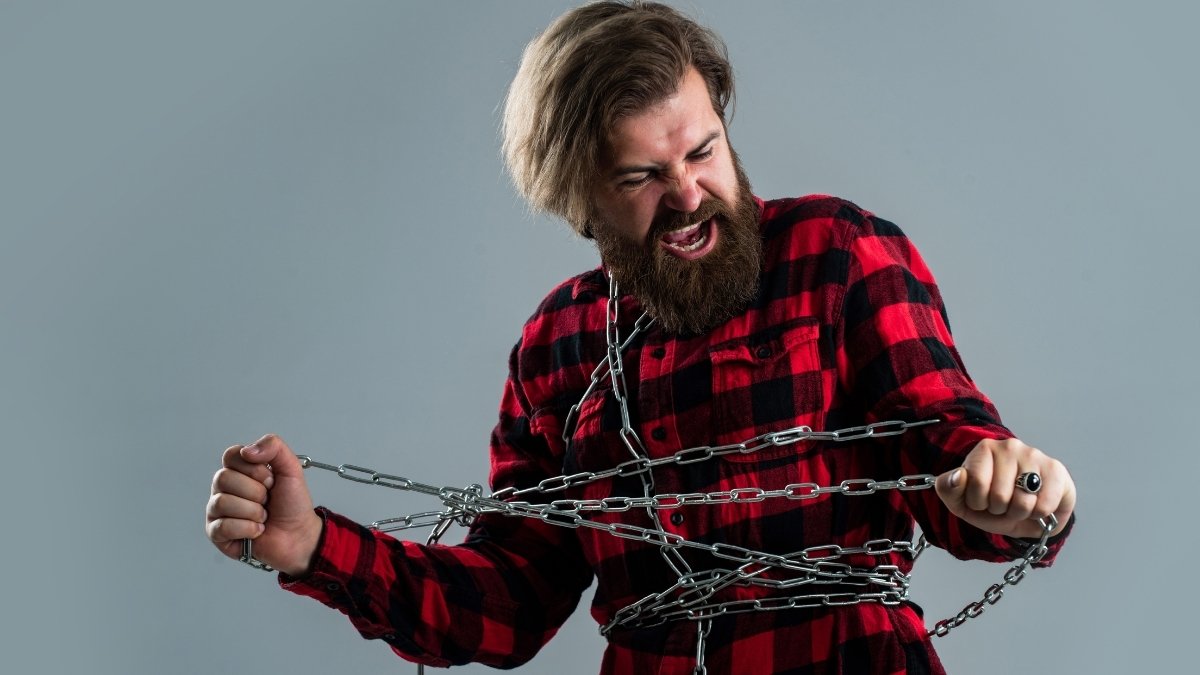
You’ve tried to tough it out. You’ve pushed through the pain. But here’s the truth: there are better ways to handle men’s mental health struggles that actually work with how men think and communicate, not against it.
The good news? We’re finally figuring out what helps men deal with emotional struggles without feeling like they’re betraying everything they were taught about being strong.
Male-friendly therapy approaches change everything. Traditional talk therapy fails many men because it feels foreign and uncomfortable. But Cognitive Behavioral Therapy (CBT) works differently. It’s structured, goal-oriented, and focuses on practical problem-solving rather than endless discussion about feelings.
CBT helps men identify negative thought patterns and replace them with realistic thinking. Instead of “I’m failing at everything,” you learn to ask “What evidence supports this?” It’s logical, measurable, and gives you tools you can use immediately.
Solution-focused therapy is another winner. Instead of spending months analyzing why you’re depressed, you work on specific solutions to specific problems. If work stress triggers your male depression, you develop concrete strategies to manage it.
Peer support groups designed for men work when traditional support doesn’t. The ManKind Project runs men’s circles across the country where guys can talk openly without judgment. Black Men Heal offers free therapy sessions specifically for Black men, recognizing unique cultural challenges.
These aren’t your typical therapy groups. Men bond through shared experiences and practical advice rather than emotional processing. You’ll find guys who get it because they’ve lived it.
Physical activity becomes therapy without feeling like therapy. Outdoor therapy combines hiking, rock climbing, or other activities with therapeutic conversations. You’re moving, problem-solving, and building confidence while working through issues.
Exercise prescriptions – like “brisk walking three times a week” – can cut anxiety as effectively as medication. Men who struggle with traditional indoor therapy often thrive when they can work through problems while being physically active.
Technology fills gaps that traditional services miss. Apps designed specifically for men’s mental health work because they’re private, available 24/7, and don’t require face-to-face vulnerability.
HeChangedIt offers anonymous community support where men can share struggles and get advice from other guys. Mettle provides meditation, mindfulness, and stress management tools designed for male users. Man Therapy uses humor to tackle serious issues like depression and suicide, making mental health resources feel accessible rather than intimidating.
Workplace programs meet men where they already are. Employee assistance programs that focus on practical problem-solving – financial stress, work-life balance, career transitions – often work better than general mental health benefits.
Many companies now offer “lunch and learn” sessions about stress management or apps like Wysa that employees can use confidentially during work hours.
What makes these approaches successful? They respect how men communicate and process emotions. They focus on solutions rather than just talking about problems. They allow men to maintain some sense of control and agency in their recovery.
The key is finding what works for you. Some men thrive in peer groups. Others prefer apps or outdoor activities. Many need a combination approach.
Men’s mental health doesn’t have to be a battle you fight alone using approaches that don’t fit how you think and communicate.
How Friends and Family Can Make a Real Difference

You’re worried about him. Something feels off, but you don’t want to make things worse by bringing it up. Here’s how to help someone dealing with the men’s mental health crisis without pushing them away.
The key is being subtle and patient. Men dealing with emotional struggles often push away direct offers of help because it feels like an attack on their independence.
Recognize male depression signs without making it obvious. Instead of asking “Are you depressed?” try “You seem stressed lately. How’s work been treating you?” Men are more comfortable discussing external pressures than internal feelings.
Watch for changes in his routine. Is he staying late at work more often? Skipping activities he used to enjoy? Getting angry over small things? These are often signs something deeper is wrong.
Create opportunities for natural conversation. The best talks happen during activities, not formal sit-downs. Invite him to help with a project, go for a walk, or grab lunch. Men open up more when they’re doing something rather than just talking.
Start with safe topics like work stress or current events, then listen for openings. If he mentions feeling overwhelmed, that’s your chance to dig deeper with “That sounds really tough. What’s the hardest part?”
Avoid these conversation killers:
- “Just think positive thoughts”
- “Other people have it worse”
- “Man up and deal with it”
- “Have you tried just not being sad?”
These responses shut down conversation instantly. Instead try:
- “That sounds really difficult”
- “I’m here if you want to talk about it”
- “What would help right now?”
Know when to suggest professional help carefully. Don’t say “You need therapy.” Instead, share stories about people who got help successfully. “My buddy started seeing someone for work stress and said it really helped him figure things out.”
You can also suggest practical resources: “There’s this app called Man Therapy that’s pretty cool” or “My company has this employee assistance program that’s supposed to be confidential.”
Support without enabling harmful behaviors. If he’s drinking more, don’t drink with him or make excuses for his behavior. You can be supportive while still setting boundaries: “I care about you, but I’m not comfortable covering for you when you miss work.”
Be consistent and patient. Men dealing with emotional struggles often test relationships by pushing people away. Don’t take it personally. Keep showing up. Send casual check-in texts. Invite him to things even if he usually says no.
Sometimes just knowing someone cares enough to notice makes a difference. You might not be able to fix the men’s mental health crisis, but you can help one person feel less alone in their struggle.
The most important thing? Don’t try to be his therapist. Your job is to be a supportive friend or family member who creates space for him to get real help when he’s ready.
Conclusion
The men’s mental health crisis is real. Four times as many men die by suicide as women, yet we’re still telling them to tough it out. This has to stop.
But here’s the hope: this crisis is solvable. We know what works. Male-friendly therapy approaches, peer support, physical activity, and technology-based tools are helping men recover every day. The problem isn’t that men can’t be helped – it’s that we haven’t been helping them the right way.
What you can do right now:
If you’re struggling, reach out. Try the resources mentioned in this guide. Text a friend. Download an app. Call a helpline. Male depression is treatable when you get the right support.
If you know someone who might be struggling, check in with them. Use the conversation strategies from this guide. Be patient and consistent.
Share this information. Every person who learns to recognize male depression signs could save a life.
The men’s mental health crisis ends when we all decide it’s time to act.