

Every 13.7 minutes, a man in the United States dies by suicide—a rate nearly four times higher than women.
This isn’t just a statistic. It represents someone’s father, brother, son, or friend who felt he had no other option. Behind this crisis lies a bigger problem that affects millions of men who are still alive but struggling.
Traditional masculine expectations tell men to be strong, silent, and self-reliant. These messages start in childhood and follow men throughout their lives. The result? Men avoid doctors, hide depression, skip therapy, and suffer alone.
You might recognize this pattern in your own life or in men around you. Maybe you know someone who works through pain, never talks about feelings, or refuses to ask for help even when he’s drowning.
This article examines the toxic masculinity health effects that are literally killing men. You’ll learn how masculine gender roles create barriers to health and happiness. More importantly, you’ll discover practical ways to break these harmful patterns.
Men’s mental health doesn’t have to be a crisis. Change starts with recognizing the problem and knowing there are better options.
The Mental Health Crisis: Why Men Suffer in Silence
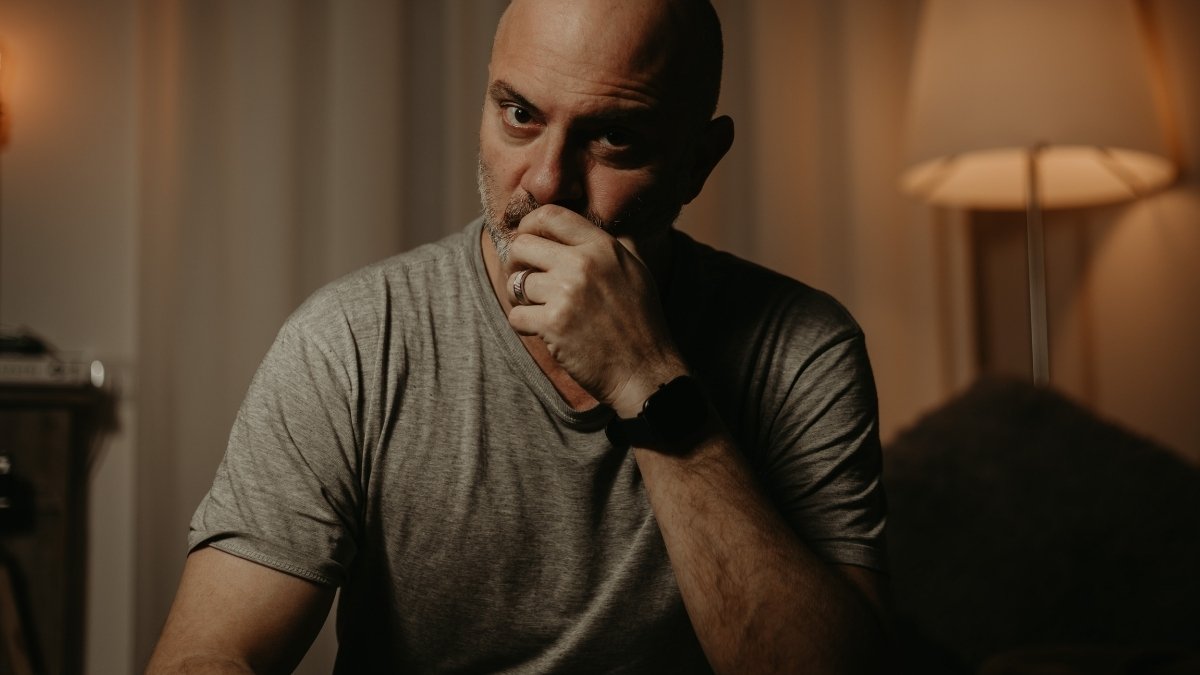
Something is killing men at alarming rates. And it’s not what you might think.
Every day, three times as many men die by suicide compared to women. That’s not a typo. Men account for 75% of all suicides in the United States. Yet women attempt suicide more often than men do.
What’s happening here?
The Numbers Tell a Disturbing Story
Men get diagnosed with depression half as often as women. But here’s the twist – that doesn’t mean men are less depressed. It means they’re less likely to get help.
Only 36% of men who need mental health care actually get it. Compare that to 51% of women. When it comes to therapy, the gap gets even wider. Men make up just 38% of people in counseling sessions.
These aren’t just statistics. They represent your brother, your dad, your friend who “seems fine” but isn’t sleeping well. The guy at work who used to joke around but now stays quiet.
Why Men Stay Silent
From the time you’re a little boy, you hear the same messages over and over:
“Big boys don’t cry.” “Man up.” “Don’t be a baby.” “Real men handle their problems.”
By age 10, most boys have learned that showing emotions makes them weak. They learn to stuff feelings down deep. They learn that asking for help means failure.
This training works too well. Men become experts at hiding pain. They get really good at pretending everything is okay when it’s not.
Depression Looks Different in Men
When most people think of depression, they picture someone crying or talking about feeling sad. But men often show depression differently.
Instead of crying, men get angry. Instead of talking about sadness, they work longer hours. They drink more. They pick fights. They withdraw from everyone.
These behaviors look like “typical guy stuff” to many people. So the real problem – depression – goes unnoticed.
Research shows men are more likely to describe depression as feeling “stressed” or “burned out” rather than sad or hopeless. They complain about headaches, back pain, or sleep problems. They don’t connect these physical symptoms to mental health.
The Cost of Being “Strong and Silent”
This pressure to be tough comes with a price. Men who can’t express emotions properly have higher rates of:
- Heart disease
- High blood pressure
- Substance abuse
- Relationship problems
- Job stress
Studies show that men who follow strict “masculine” rules – like never showing weakness – have worse mental health outcomes. They’re less likely to have close friendships. They struggle more with life changes like job loss or divorce.
Breaking the Cycle
The “strong and silent” approach isn’t working. It’s literally killing men.
Real strength means knowing when you need help. It means being honest about your struggles. It means caring enough about your family to stay alive and healthy.
You don’t have to figure everything out alone. Depression isn’t a character flaw or personal weakness. It’s a medical condition that responds well to treatment.
The men who get help don’t become weak. They become stronger. They show up better for their families. They perform better at work. They live longer, healthier lives.
Your life matters too much to suffer in silence.
The Physical Health Toll of “Manning Up”

When was the last time you went to the doctor? Not the emergency room because something was broken or bleeding. A real checkup where someone looked at your health before problems started.
If you’re like most men, it’s been too long.
Men Avoid Doctors Like the Plague
Men are 24% less likely than women to visit a doctor in any given year. They wait longer to get help when symptoms start. And when they finally show up, their conditions are often more advanced and harder to treat.
This isn’t because men are naturally tougher. It’s because masculine health behaviors teach you that seeking medical help is weak.
The result? Men die younger from diseases that could have been caught early.
The Numbers Don’t Lie
Men live about 5 years less than women on average. Much of this gap comes from preventable health problems.
Heart disease kills more men than women, partly because men skip regular checkups that could catch warning signs early. Only 40% of men get recommended heart disease screenings compared to 56% of women.
Men are also twice as likely to die from diabetes complications. Why? They often ignore symptoms like frequent urination or excessive thirst, thinking they can “push through” the discomfort.
When “Tough Guys” Get Hurt
Workplace injuries tell another story about masculine health behaviors. Men account for 92% of all work-related deaths. They’re more likely to take dangerous shortcuts and skip safety equipment.
This isn’t just about construction or factory work. Men in all jobs are more likely to:
- Work when sick or injured
- Refuse time off for medical appointments
- Ignore pain until it becomes unbearable
- Skip recommended physical therapy
The “tough it out” mentality leads to minor injuries becoming major problems.
Emergency Rooms vs. Prevention
Here’s a telling pattern: Men use emergency rooms at higher rates than women, but they use preventive care much less.
This means men wait until chest pain becomes a heart attack. They ignore the mole that changed shape until it’s advanced skin cancer. They let high blood pressure go untreated until they have a stroke.
Emergency care costs more money and often comes too late to prevent serious damage.
Dangerous Coping Methods
When men feel overwhelmed by health problems, they often turn to risky solutions. Alcohol becomes a way to numb physical pain. Cigarettes help manage stress. Drug use masks symptoms instead of treating causes.
These coping methods make health problems worse, not better. Men seeking medical help could find safer, more effective treatments.
But many men never ask for these alternatives.
The Real Cost of Being “Strong”
Skipping medical care isn’t strong. It’s putting your family at risk of losing you too early.
Your kids need you healthy for their graduations and weddings. Your partner needs you around for retirement plans. Your work needs you performing at your best.
Real strength means taking care of your body before it breaks down. It means getting checkups even when you feel fine. It means asking for help when something hurts.
You wouldn’t skip oil changes and expect your car to run forever. Your body deserves at least as much attention as your vehicle.
Social Isolation: The Hidden Epidemic Among Men

When was the last time you called a friend just to talk? Not to plan something or ask for a favor. Just to check in and see how they’re doing.
If you’re struggling to remember, you’re not alone.
The Friendship Crisis
Recent surveys show that 15% of men have no close friends at all. That number has tripled since 1990. Compare this to women, where only 10% report having no close friends.
Even more telling: 28% of men under 30 say they have no close friends. These aren’t loners by choice. They’re men who want connections but don’t know how to build them.
How Men “Do” Friendship Differently
Most male friendships center around activities. You watch the game together. You work on cars. You play golf. But you rarely talk about what’s really going on in your life.
Women tend to build friendships through sharing personal details and emotions. Men build friendships through shared experiences and competition.
This difference matters more than you might think.
When Competition Kills Connection
Male relationships often have an unspoken competitive element. You compare jobs, salaries, achievements, and possessions. This makes it hard to be vulnerable or admit when you’re struggling.
You can’t tell your golf buddy that you’re worried about money when you just bought new clubs. You can’t admit you’re depressed to the guy you’re always trying to outperform at work.
Competition builds walls instead of bridges.
The Marriage Trap
Here’s a pattern that shows up in research over and over: Men depend heavily on their romantic partners for emotional support. Women have multiple people they can turn to.
When men get married, they often let other friendships fade. They put all their emotional needs on their spouse. When relationships end through divorce or death, men find themselves completely alone.
Women typically maintain friend networks throughout their lives. Men often don’t.
Your Health Is at Risk
Social isolation isn’t just lonely. It’s deadly. Studies show that loneliness increases your risk of early death by 26%. That’s comparable to smoking 15 cigarettes per day.
Men who lack social connections have higher rates of:
- Heart disease
- Stroke
- Depression
- Anxiety
- Memory problems
Your body treats loneliness like a physical threat.
Work Makes It Worse
Long work hours leave little time for friendship maintenance. Men often prioritize career advancement over social connections, thinking they can catch up on relationships later.
But relationships need regular attention to survive. You can’t ignore friends for months and expect them to be there when you need them.
Breaking Out of Isolation
Building real friendships as an adult man takes effort. It means being willing to be vulnerable sometimes. It means making time for people even when work is demanding.
Start small. Reach out to one person this week. Not for business or favors. Just to connect.
Your mental and physical health depend on it.
Breaking the Cycle: Redefining Healthy Masculinity

You don’t have to choose between being a “real man” and being mentally healthy. That’s a false choice that’s been hurting men for generations.
It’s time to build a better definition of what it means to be masculine.
What Healthy Masculinity Actually Looks Like
Real masculine strength isn’t about hiding your feelings. It’s about managing them well. Look at the men who are actually thriving in life. They’re the ones who can talk about their struggles and ask for help when they need it.
Professional athletes are leading this change. NBA stars like Kevin Love and DeMar DeRozan have spoken openly about depression and anxiety. These aren’t “weak” men. They’re elite performers who know that men’s emotional health affects everything else.
Military veterans are also changing the conversation. Many combat soldiers now talk about PTSD treatment as part of their strength training, not a sign of weakness.
Building Emotional Intelligence Skills
Emotional intelligence isn’t touchy-feely nonsense. It’s a practical skill that makes you better at work, relationships, and life.
Start with basic emotion recognition. When you feel angry, ask yourself what’s underneath that anger. Often it’s fear, disappointment, or hurt. Naming the real emotion helps you deal with it better.
Practice the 24-hour rule. When something upsets you, wait a full day before making big decisions or having difficult conversations. This gives your emotions time to settle so you can think clearly.
Learn to say “I need some time to think about this” instead of exploding or shutting down. This isn’t avoiding the problem. It’s handling it responsibly.
Creating Real Support Networks
Men need other men who understand their struggles. But building these connections takes intentional effort.
Join groups based on shared interests, not just drinking or watching sports. Men’s hiking groups, volunteer organizations, and hobby clubs create natural opportunities for deeper conversations.
Start men’s groups at work or in your community. Focus on practical topics like career development, parenting, or health. These settings make it easier to share personal challenges.
Be the friend who asks real questions. Instead of “How’s work?” try “What’s the hardest part of your job right now?” Instead of “How are things?” ask “What’s been on your mind lately?”
Making Therapy Normal
Therapy isn’t just for people with serious mental illness. It’s like having a personal trainer for your mind.
Many men respond better to solution-focused therapy approaches. These methods focus on practical strategies rather than lengthy discussions about childhood. Cognitive behavioral therapy (CBT) is particularly effective for men dealing with anxiety and depression.
Look for therapists who understand masculine communication styles. Some men prefer female therapists because they feel less competitive. Others prefer male therapists who share similar experiences.
Online therapy platforms make it easier to start. You can begin with text-based counseling before moving to video calls if that feels more comfortable.
Changing Workplace Culture
Workplaces need to support men’s emotional health, not just women’s. This means normalizing mental health days and flexible schedules for therapy appointments.
Leaders should model healthy masculinity by talking openly about stress management and work-life balance. When managers share their struggles and solutions, it gives other men permission to do the same.
Employee resource groups for men can address topics like fatherhood challenges, career transitions, and mental health. These aren’t anti-women groups. They’re spaces for men to discuss issues that affect them specifically.
Taking Action This Week
You can start changing your relationship with healthy masculinity today.
Pick one person to have a real conversation with this week. Ask them how they’re really doing and be prepared to share honestly yourself.
Schedule a checkup with your doctor or a consultation with a therapist. Taking care of your health is masculine behavior, not weakness.
Join one activity or group where you can meet other men outside of work. This could be a fitness class, volunteer organization, or hobby group.
Practice saying these phrases: “I’m struggling with this,” “I need help,” and “I don’t know.” These aren’t admissions of failure. They’re signs of self-awareness and strength.
Healthy masculinity isn’t about being less of a man. It’s about being a complete human being who happens to be male.
How Society Can Support Men’s Health

Men can’t fix toxic masculinity by themselves. The same culture that created these problems needs to help solve them.
Change has to happen everywhere – in schools, workplaces, doctor’s offices, and homes.
Start With Schools
Boys learn “don’t cry” messages early. Schools can teach different lessons.
Some progressive schools now include emotional intelligence in their regular curriculum. Kids learn to name feelings, manage anger, and ask for help. Boys practice these skills alongside math and reading.
Physical education classes can emphasize teamwork over competition. Sports programs can reward leadership and support, not just winning.
School counselors need training on how boys show distress differently than girls. A boy acting out might be depressed, not just disruptive.
Fix Healthcare for Men
Doctors’ offices feel designed for women. Most health campaigns target female patients. Men need different approaches.
Some clinics now offer “men’s health nights” with extended hours for working men. They focus on preventive care and make it easy to get screenings done quickly.
Healthcare campaigns should use male spokespeople and address men’s specific concerns. Show men that checkups help them be better fathers and providers, not weaker people.
Medical forms can ask about stress, work pressure, and relationship problems – not just physical symptoms. Many men will talk about these issues if doctors ask directly.
Transform Workplaces
Smart companies are investing in men’s mental health because it affects their bottom line.
Johnson & Johnson offers mental health first aid training specifically for male employees. They teach managers to recognize when men are struggling and how to connect them with resources.
Some tech companies have started “Dad groups” where fathers discuss work-life balance challenges. These aren’t therapy sessions, but they create spaces for men to share practical solutions.
Flexible schedules help men attend therapy appointments or spend time with family. When companies make this normal, it reduces the stigma around getting help.
Change Media Messages
Movies and TV shows still show men solving problems with violence or silence. We need more examples of men handling stress in healthy ways.
Advertising can stop using phrases like “man up” or showing men as emotionally clueless. Marketing that shows fathers being nurturing or men supporting friends creates better role models.
Social media campaigns can highlight successful men who talk openly about mental health. When athletes, CEOs, and celebrities share their stories, it gives other men permission to get help.
Support Starts at Home
Families can raise boys differently. Parents can praise emotional awareness alongside physical strength. They can model healthy relationships where both partners share feelings and support each other.
Women can encourage the men in their lives to build friendships and seek help when needed. Partners shouldn’t have to be someone’s only emotional support.
Real change happens when everyone works together. Men’s health benefits entire families and communities.
Conclusion
The toxic masculinity health effects are real and measurable. Men die younger, struggle more with depression, avoid medical care, and suffer in isolation because they’ve been taught that asking for help is weakness.
These aren’t personal failures. They’re the result of a culture that teaches boys to ignore their needs and push through pain.
Men’s mental health doesn’t have to be a crisis. The solution starts with you.
Look at your own relationship with masculine expectations. Do you skip doctor visits? Do you have friends you can really talk to? Do you handle stress in healthy ways?
If the answer is no, that’s okay. Recognition is the first step.
Start small. Make one doctor’s appointment. Reach out to one friend. Find one person you can be honest with about your struggles.
You don’t have to figure this out alone. Your life – and the lives of other men around you – depend on breaking these harmful patterns.
Real strength means taking care of yourself so you can take care of others.