

Chronic stress is not just a feeling. It is a measurable physical state that changes your nervous system. But you can fix the system to reverse it. Normal stress relief methods like deep breathing often fail.
They stop working when your nervous system gets locked in chronic sympathetic overload. You feel stuck in a loop of panic.
Here is the reality. You need a physical tool to break a physical loop. You will learn how non invasive vagus nerve stimulation acts as a physical brake pedal for stress. We will look at the actual 2026 clinical data behind this method.
The Science of the Vagus Nerve: Your Body’s Brake Pedal
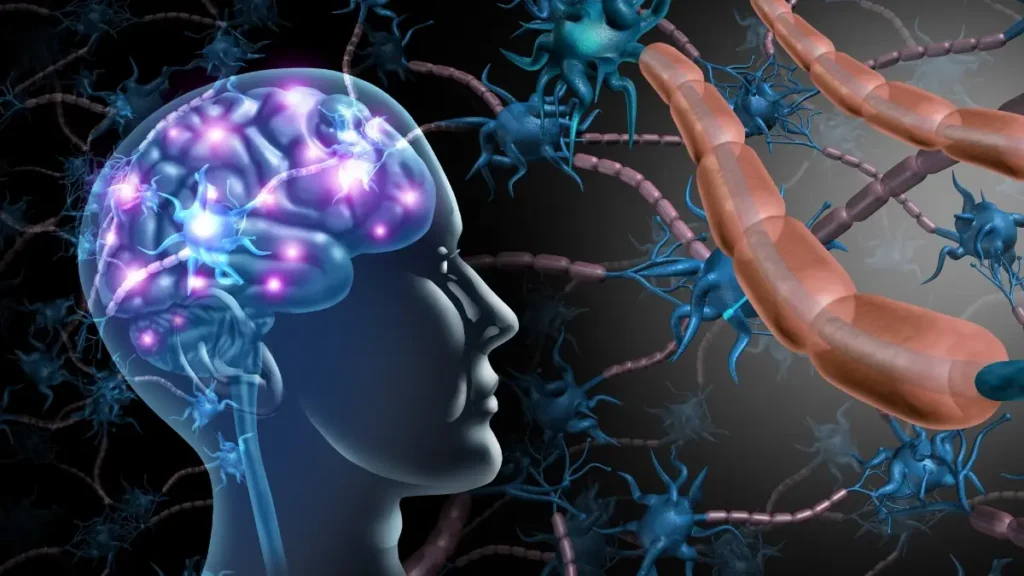
Why does stress feel impossible to think your way out of? Your brain is sounding an alarm. You cannot use logic to turn off a physical alarm. This is where your anatomy holds the key.
Your vagus nerve is an information superhighway. It connects your brain directly to your gut, your heart, and your lungs. It controls your physical reaction to panic. A healthy nerve gives you a high vagal tone.
Vagal tone for chronic stress is very important. High vagal tone means you calm down quickly after a problem. Allostatic load is like a credit card debt of stress.
Chronic stress degrades your tone and increases this debt. Low vagal tone leads directly to systemic inflammation and constant anxiety.
When your vagal tone drops, you might notice physical signs:
Transcutaneous vagus nerve stimulation fixes this problem. It uses gentle electrical or vibratory pulses. You apply these pulses to your neck or your ear. This manually triggers your nerve to calm down.
The science backs this up completely. A 2025 University of Florida study looked closely at these tools. Dr. Tracy Centanni and other researchers found that this stimulation limits the systemic inflammatory response in the body.
You get real physical relief from inflammation. Until recently, stimulating this nerve required surgery or ice baths. Now, tech does it for you. You have the power to control your physical state.
Sympathetic Overdrive
Elevated Baseline
A fast resting heart rate indicates your body is stuck in a state of high alert, perpetually pumping blood for a physical threat that isn’t there.
Digestive Shutdown
During a stress response, blood is diverted away from your gut. This leads to poor digestion, bloating, and nutrient malabsorption.
Chronic Bracing
Your nervous system commands your body to prepare for impact. This manifests as constant muscle tension, particularly in the jaw, neck, and shoulders.
Neurological Hyperarousal
High circulating cortisol and adrenaline make it incredibly difficult to downshift brainwaves, leading to severe trouble falling asleep.
Evaluating the Top Vagus Nerve Stimulation Devices in 2026
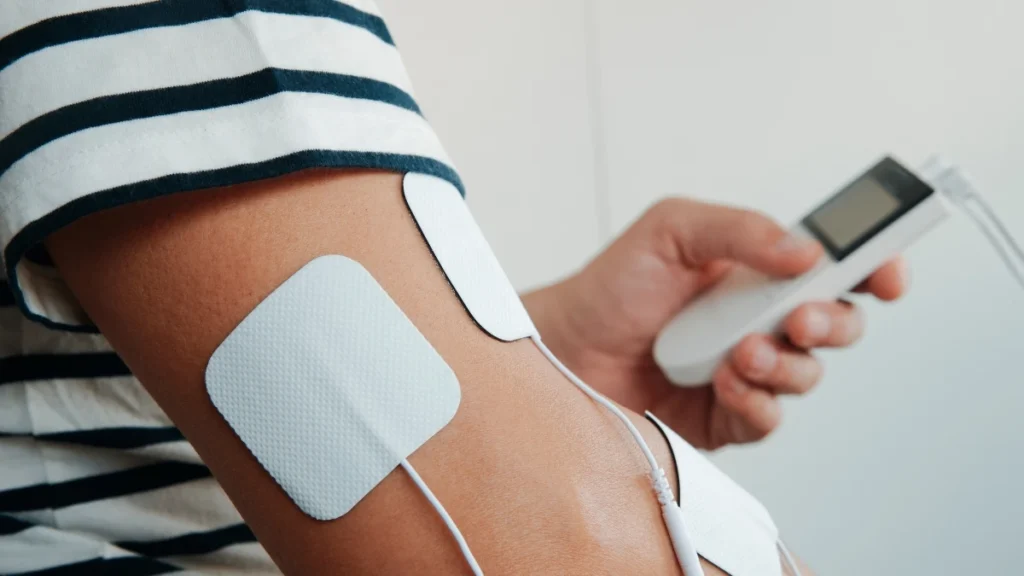
The market is flooded with wellness gadgets. Most of them are useless plastic. But a few have real clinical backing. You need to know which vagus nerve stimulation devices actually work. Let us compare the top options based on how they apply the therapy.
Pulsetto
Pulsetto focuses on cervical electrical stimulation. You wear it around your neck. It sends small electrical pulses directly to the nerve. The companion app is very easy to use. The physical feeling is immediate. You feel a gentle tingling sensation right away.
Recent 2025 study data shows impressive results for Pulsetto. Users experienced a 56 percent reduction in stress after four weeks of use. They also saw a 41 percent improvement in sleep quality.
- Pros: Fast results, strong clinical data, easy app.
- Cons: The neck placement can feel strange at first.
Apollo Neuro
Apollo Neuro takes a different approach entirely. It uses mechanical vibration to calm your body. You wear it on your wrist or your ankle. This makes it a highly passive tool.
You can wear it all day at work without anyone noticing. You will feel a subtle background vibration instead of a direct electrical pulse. It is great for people who strongly dislike electrical stimulation.
- Pros: Very comfortable, passive wear, good for public use.
- Cons: Results take longer to feel compared to electrical tools.
Nurosym
Nurosym uses an auricular neuromodulation system. It clips directly onto your ear. This device is very popular in the clinical biohacking space. It holds a CE mark in Europe for medical use. The ear clip targets a specific branch of the vagus nerve with precise electrical currents.
- Pros: Medical grade certification, highly targeted, very effective.
- Cons: The ear clip design is visible and hard to wear in public.
Reading tVNS device reviews 2026 can be confusing. You have options for your neck, wrist, or ear. But there is a catch. The best device is simply the one you will consistently use. Think about your daily habits. Choose the tool that fits naturally into your routine.
What the Latest Clinical Data Says About VNS for Stress

It sounds like science fiction. But the EEG data says otherwise. The American Psychological Association recently noted that nearly a quarter of adults report diagnosed anxiety.
People need real help. Global market demand is massive. The VNS market hit over $540 million in 2025. People want non pharmaceutical tools for mental health.
There is neurological proof that these tools change brainwaves in real time. A late 2025 Frontiers in Digital Health EEG study proved this fact.
The study showed that non invasive VNS successfully prevented the drop in frontal theta and alpha brain waves.
This drop usually happens under acute stress. The stimulation keeps your brain stable when things get hard.
These tools also help with extreme trauma. Dr. Michael Kilgard from UT Dallas studied VNS response rates in trauma recovery.
A breakthrough 2025 UT Dallas study paired VNS with therapy. The results were incredible. Trial participants saw a 100 percent loss of their PTSD diagnosis.
Dr. Tracy Centanni from the University of Florida also supports this technology. She notes how the stimulation modulates systemic inflammation. It is a powerful physical response. ClinicalTrials.gov shows an exponential rise in these studies since 2015.
But you must manage your expectations. This is a tool for chronic stress management. It is not a magic pill.
Clinical trials show that success requires consistent daily application. You have to use it every single day to see lasting changes. The medical consensus in 2026 views this therapy as a legitimate adjunctive therapy. It is definitely not a fad.
How to Integrate VNS Technology into Your Daily Routine
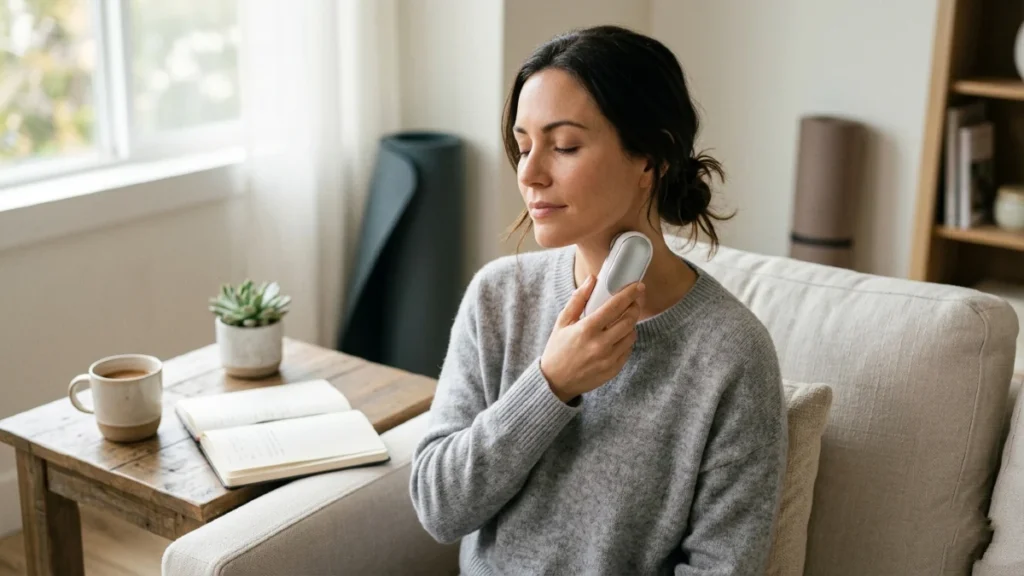
Buying a device will not fix stress if it sits in a drawer. You have to build a strict routine. Non invasive vagus nerve stimulation works best when you use it at specific times.
You need to track your success. Do not just guess if your vagal tone is improving. Use tools to measure the physical impact. Wearables like the Oura Ring, Whoop, or Apple Watch are perfect for this job.
Check your Heart Rate Variability score every morning. Heart Rate Variability shows how well your body handles stress.
Track this number for 30 days while using your device. You will see objective proof of your progress. It takes time, but your numbers will improve. Give your body a full month to adjust.
The Neural Rhythm
Morning Activation
Use your device for 10 minutes after waking up. This builds baseline nervous system resilience for the day ahead.
Midday Reset
Stack your habits. Pair your device with slow diaphragmatic breathing to amplify calming results during a stressful workday.
Evening Downregulation
Run a 15 minute session before bed. This shifts your body out of panic mode to actively prepare for deep sleep.
Conclusion
Chronic stress requires a physical intervention. You cannot wish it away. The 2026 VNS technology provides a clinically backed way to help. It manually triggers your parasympathetic nervous system. It forces your body to finally relax.
Now it is time to take action. Look at your lifestyle. Choose one device that fits your daily habits. You might prefer a wearable vibration tool. You might want a dedicated electrical session. Pick the one you will actually use.
Commit to a solid routine. Track your Heart Rate Variability for 30 days to see the proof. You have the power to fix your stress with vagus nerve stimulation devices.