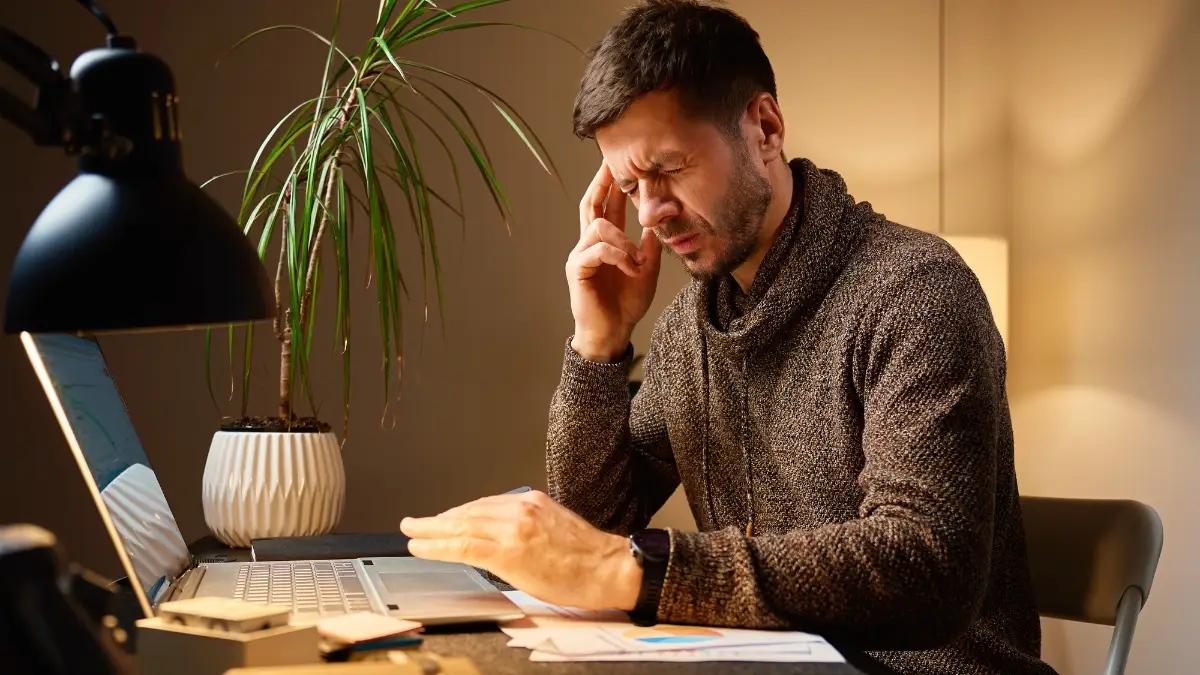
You cannot outthink a nervous system that is physically trapped in survival mode. You try talk therapy. You try time management hacks. You even take long vacations. But you still feel completely drained.
Your brain feels detached from reality. Your jaw, neck, and gut stay constantly tight. We need to look at why stress gets stuck in your body. Today you will learn the biological reason your muscles refuse to let go.
You will also learn 5 proven somatic release exercises to hit the physical reset button. These movements help you finish the stress cycle safely. This is exactly what you need for real burnout recovery at home.
Why Does Stress Get Stuck? The Biology of Burnout

Burnout is not a weakness. It is a massive biological traffic jam. Your body has a built in alarm system. We call it the fight, flight, freeze, or fawn response. When you face danger, your body pumps out stress hormones like cortisol and adrenaline.
Think about a gazelle in the wild. When a gazelle escapes a lion, it shakes violently for several minutes. This physical shaking releases all that survival energy. Then the gazelle goes right back to eating grass.
But humans handle threats differently. We sit through a toxic three hour meeting. Then we just stay completely still at our desks. We let those stress hormones pool deep in our muscles.
Recent 2026 data from Forbes and Modern Health shows a huge problem. A record 66 percent of employees globally are currently experiencing burnout.
Millennials and Gen Z hit peak burnout by age 25. Up to 74 percent of Gen Z workers report severe exhaustion. This massive loss of energy costs the global economy about $1 trillion every year in lost productivity.
Your brain thinks you are still under attack. Because of this, your body refuses to let its guard down. You need proper nervous system regulation to clear out this trapped tension. You cannot fix this with just your mind.
1. How to Lower Heart Rate Fast: The Voo Sound
Have you ever felt a tight knot in your stomach when opening an email? Your vagus nerve controls that exact physical feeling. Dr. Peter Levine created a therapy called Somatic
Experiencing. He wrote a famous book called Waking the Tiger. Dr. Levine teaches that trauma and stress live deep inside the nervous system. Stress does not just live in the mind. He developed a vocal vibration technique to fix this issue.
The deep vibration sends a clear signal of safety to your vagus nerve. This immediately activates your parasympathetic nervous system. That is your rest and digest mode. Your heart rate drops fast.
Best used right before you eat lunch to calm your digestion. These somatic release exercises bring your body back to a calm state quickly. They do not require any sweating or pain.
The Voo Technique
Sit comfortably in a chair and take a deep breath into your belly.
Exhale slowly while making a deep, low “Voo” sound.
Let the vibration physically rumble down in your stomach.
Repeat this simple process 3 to 5 times to signal biological safety.
2. Why Do You Tremble? Shake Off Sedentary Fatigue

Have you ever noticed your hands trembling after a heated argument? That is your body trying to heal itself. We can purposefully shake our bodies to force adrenaline out of our systems.
This process creates neurogenic tremors. It copies the natural mammal instinct to physically shake off a threat after the danger passes.
Right now, 76 percent of employees feel completely physically drained on days with many meetings. Sitting completely still makes zoom fatigue much worse.
- Stand up in a clear and open space.
- Start by vigorously shaking your hands and your wrists.
- Let the shaking move up your arms to your shoulders.
- Bounce lightly on your heels to shake your legs.
- Shake your entire body loosely for exactly 2 minutes.
This breaks up the trapped tension from sitting like a statue. Best used right after logging off for the day. It makes a perfect bridge to transition into your personal time. This is a very powerful tool for your burnout recovery at home. It helps you leave work stress at your desk.
3. How to Ground Yourself: Proprioceptive Wall Pushing
Heavy workloads cause severe mental fog. About 35 percent of workers list heavy workloads as their top stressor. Sometimes your brain starts spinning with anxious thoughts.
You need to use physical resistance to bring your mind back to the present moment. This movement engages proprioception. Proprioception is just your physical awareness of your body in space.
The intense physical pressure short circuits anxiety loops. It grounds you deeply in reality. You stop floating in your worries and connect back to your physical form.
Try this right before starting a massive project. It is one of the most reliable somatic release exercises to stop mental dissociation. It forces your brain to pay attention to your muscles.
Kinetic Grounding
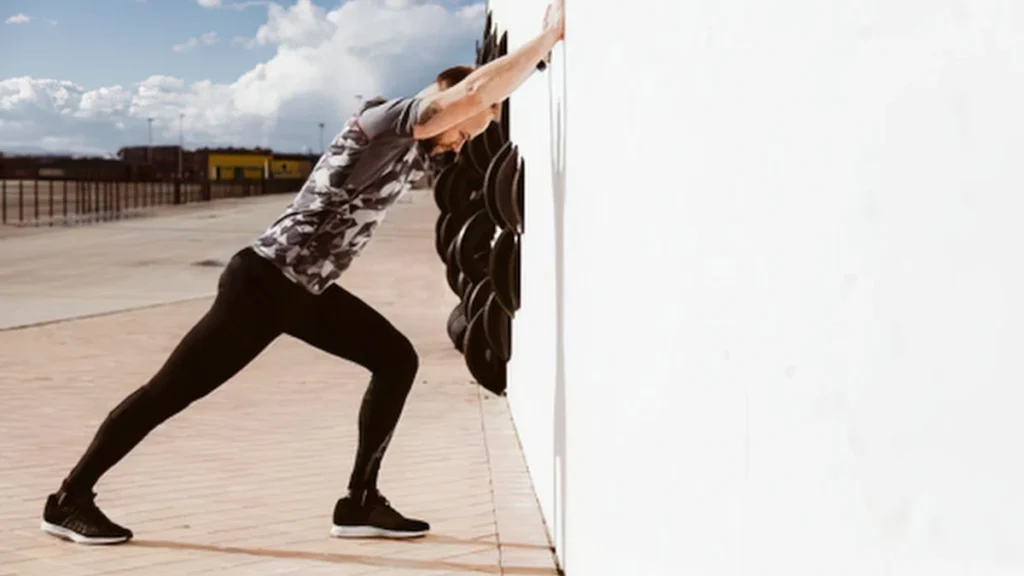
Stand about two feet away from a solid, blank wall to establish your angle of resistance.
Place both hands flat against the wall precisely at shoulder height.
Plant your feet firmly into the floor. This provides the anchored foundation needed for the exertion phase.
Push against the wall with maximum physical effort for 10 to 15 seconds. Let your muscles tremble.
Release all your tension completely and take a step back, allowing your nervous system to recognize the threat has passed.
4. The 4 to 8 Breath: A 5 Minute Solution for Anxiety

Have you ever caught yourself holding your breath while reading an email? Shallow chest breathing keeps you trapped in survival mode. You can force your heart to slow down with extended exhalations.
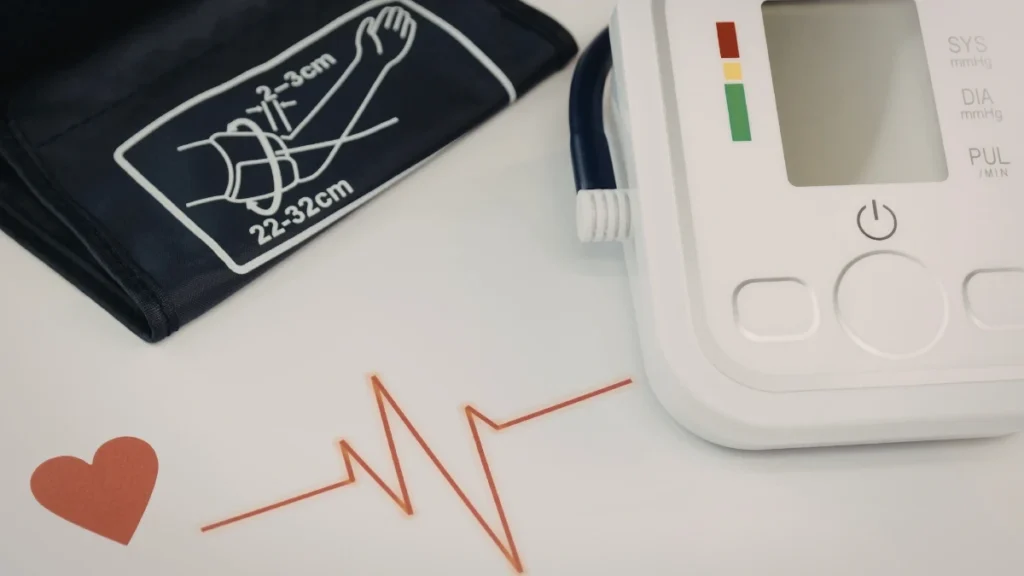
Breathing out longer than breathing in is clinically proven to lower your blood pressure during acute stress. We combine this breathing with self soothing touch for maximum effect.
- Place one hand flat on your heart and the other hand on your belly.
- Breathe in gently through your nose for 4 seconds.
- Exhale very slowly through your mouth for 8 seconds.
- Focus on the physical boundary and warmth of your own hands.
- Continue this steady pattern for 3 full minutes.
The physical boundary of your hands provides bodily containment. It creates a feeling of absolute safety in your own skin. You can even use a simple timer app on your phone to keep your pace steady.
Use this technique when you lie in bed at night. It provides deep nervous system regulation and clears out trapped tension so you can finally sleep.
5. How to Fix Chronic Tightness: Progressive Body Release
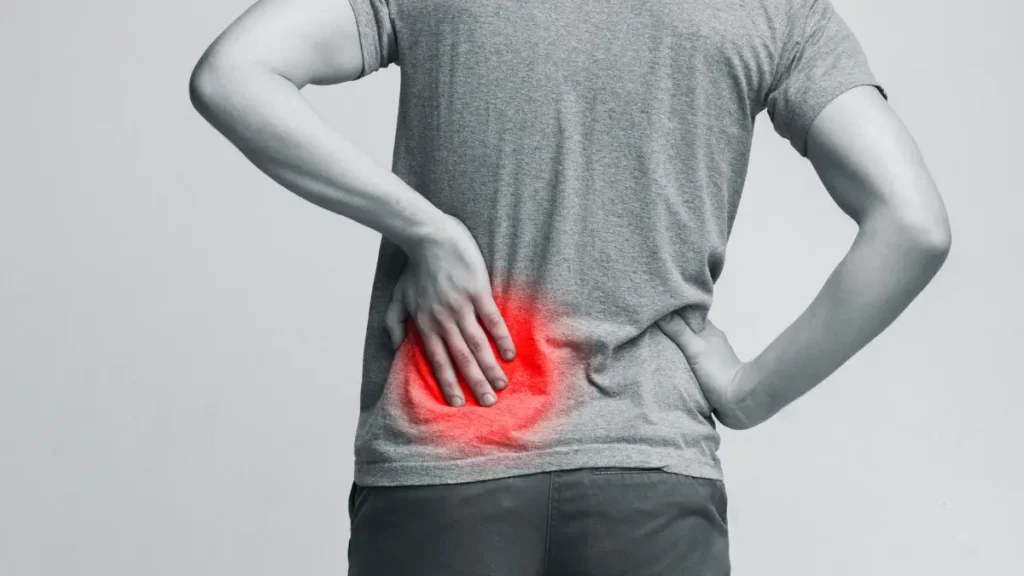
Burnout usually shows up as physical pain first. You might notice chronic neck aches or strange stomach issues long before you feel sad. You need to systematically identify these tight spots.
Then you consciously let them go. This exercise trains your brain to clearly recognize the difference between tension and relaxation.
It resets your baseline muscle tone over time. You can use wearable tech like Oura or Whoop rings to measure the results. These trackers monitor your heart rate variability. They will show exactly how well your body recovers after doing this work.
This is perfect for quiet weekend mornings. This practice sets a calm foundation for actual burnout recovery at home.
Systemic Decompression
Lie flat on your back on a comfortable surface, allowing your spine to neutralize.
Squeeze the muscles in your toes tightly for exactly 5 seconds.
Let the toes completely relax and notice the heavy, warm feeling of the blood returning.
Move up to your calves and squeeze them with full intent for 5 seconds.
Release the calves and slowly work your way up through the thighs, core, and shoulders to your jaw.
Conclusion
Burnout is a physical state of trapped survival energy. Your body holds onto heavy stress because it thinks you are still in danger.
Practicing these 5 movements daily helps you complete the stress cycle safely. They remind your brain that the threat is gone.
You do not need to do all of these exercises at once. Pick just one single movement to try today after closing your laptop. Pay close attention to how your body feels afterward.
Consistent somatic release exercises will eventually teach your nervous system how to rest again. Please share your experience in the comments below. Let us know which exercise gave you the most relief today.