

Every 13.7 minutes, a man dies by suicide in the United States—a rate 3.5 times higher than women. This isn’t just a statistic. It’s a crisis happening in plain sight.
Men are facing unprecedented mental health challenges. Yet they’re 50% less likely to seek help than women. Why? Because society taught them that asking for help means weakness.
The rules about being a “real man” are literally killing men. “Boys don’t cry.” “Man up.” “Tough it out.” These messages seem harmless. But they create toxic masculinity mental health problems that destroy lives.
Here’s what you’ll discover in this guide:
How societal expectations create real psychological damage in men
The shocking men’s mental health statistics that reveal the true scope of this crisis
Why traditional masculinity has become a trap instead of strength
Practical strategies for building a healthier masculine identity
Real resources where struggling men can get help
This isn’t about making men “softer.” It’s about helping them become truly strong. The kind of strength that includes emotional intelligence, genuine connection, and the courage to seek help when needed.
The Hidden Mental Health Crisis Among Men

Something terrible is happening to men. And most people don’t even know about it.
Men are dying by suicide at alarming rates. In the US, 77% of all suicides are committed by men. That’s more than 3 out of every 4 deaths by suicide. Think about that number for a moment.
But here’s what makes this even worse. Men are 40% less likely to seek mental health treatment than women. They suffer in silence until it’s too late.
The depression problem is massive. 1 in 8 men experience depression during their lifetime. Yet only 1 in 4 of those men actually get treatment. The other three just try to push through on their own.
Why does this happen? Men face huge pressure to be the “provider” and stay strong. They learn early that showing weakness isn’t okay. So when depression hits, they hide it.
Work stress is killing men slowly. 62% of men report that work stress seriously impacts their mental health. The pressure to succeed, support families, and never show vulnerability creates a perfect storm.
Men often turn to alcohol or drugs instead of therapy. They work longer hours. They isolate themselves. These “solutions” make everything worse.
Some countries do this better. Nordic countries like Norway and Sweden have much lower male suicide rates. Why? Their cultures allow men to show emotion and seek help. They have better work-life balance policies. Mental health care is free and easy to access.
Celebrity cases show how serious this is. Robin Williams seemed happy on the outside but battled severe depression. Chester Bennington from Linkin Park spoke openly about his mental health struggles before his death. Even successful, wealthy men aren’t safe from this crisis.
Smart companies are taking action. Some workplaces now offer mental health programs specifically for men. These programs teach men it’s okay to ask for help. They provide counseling during work hours. Early results show promise.
One tech company saw a 40% drop in sick days after starting a men’s mental health program. Another construction firm reduced workplace accidents by 25% when workers started talking about stress and depression.
The economic cost is huge. Untreated mental health problems in men cost the US economy billions each year. Lost productivity, medical bills, and family breakdowns all add up.
But there’s hope. More men are starting to speak up. Athletes, actors, and business leaders are sharing their stories. This breaks down the stigma.
You can make a difference. Check on the men in your life. Ask how they’re really doing. Listen without trying to fix everything. Sometimes just being heard helps more than any advice.
The crisis is real. But so is the solution. We just need to start talking about it.
Men’s mental health statistics and male suicide rates reveal a hidden epidemic that demands immediate attention.
How Traditional Masculine Expectations Create Psychological Harm

You were probably told “boys don’t cry” before you turned five. That simple message started a lifelong pattern of emotional damage. Traditional masculine expectations don’t just limit men. They actively hurt their mental health.
Here’s what science shows us. When men suppress emotions regularly, their cortisol levels stay high. Cortisol is your stress hormone. Too much of it damages your immune system, disrupts sleep, and increases depression risk.
Men who follow strict masculine gender roles stress have 2.4 times higher rates of depression. The “strong, silent type” isn’t strong at all. It’s slowly breaking down.
The provider pressure is crushing men. Society expects men to be the main breadwinner. When they can’t meet this expectation, depression rates skyrocket. Research shows that financial stress hits men harder than women because of this cultural programming.
One study followed 10,000 men for five years. Men who lost their jobs were three times more likely to attempt suicide than women in the same situation. Why? Because their entire identity was tied to being a provider.
Body image problems are worse than you think. We talk about women and body image constantly. But 1 in 4 men now suffer from muscle dysmorphia. They obsess over getting bigger, stronger, more “masculine.”
Dating apps make this worse. Men swipe through endless profiles of muscular guys and feel inadequate. They spend hours at the gym trying to look like fitness influencers. Some turn to dangerous steroids.
Sexual performance pressure destroys relationships. Men think they must always want sex and always perform perfectly. When reality doesn’t match this expectation, relationships suffer.
Studies show that men with performance anxiety are 40% more likely to avoid intimate relationships entirely. They’d rather be alone than risk feeling inadequate.
Competition becomes toxic. Traditional masculinity teaches men that everything is a competition. Your job, your car, your girlfriend – all trophies to win.
This creates chronic stress. Men can’t relax or enjoy life because they’re always comparing themselves to others. They see other men as threats instead of potential friends.
Workplace examples are everywhere. A marketing manager cries during a layoff meeting. His coworkers avoid him for weeks afterward. A construction worker hurts his back but keeps working because admitting pain seems weak. A tech startup founder works 80-hour weeks to prove he’s “hustling” hard enough.
Athletic culture amplifies the damage. “No pain, no gain” becomes “ignore your body and mind completely.” Athletes learn to push through injury, exhaustion, and mental breakdown. Many develop eating disorders or chronic pain they never address.
The aggression trap is real. When men can’t express sadness, fear, or vulnerability, anger becomes their only emotional outlet. They punch walls instead of talking. They get into fights instead of crying.
This doesn’t solve anything. It just creates more problems and pushes people away.
Traditional masculinity effects show up in the data. Countries with more rigid gender roles have higher male suicide rates. Cultures that allow emotional expression in men have better mental health outcomes across the board.
You can break these patterns. Start by noticing when you suppress emotions because you think you “should.” Practice saying “I’m struggling” instead of “I’m fine.” Find male friends who can handle real conversations.
The rules that were supposed to make you strong are actually making you sick. It’s time to write new ones.
Understanding masculine gender roles stress and traditional masculinity effects is the first step toward healthier male identity.
The “Man Up” Culture: When Strength Becomes Weakness
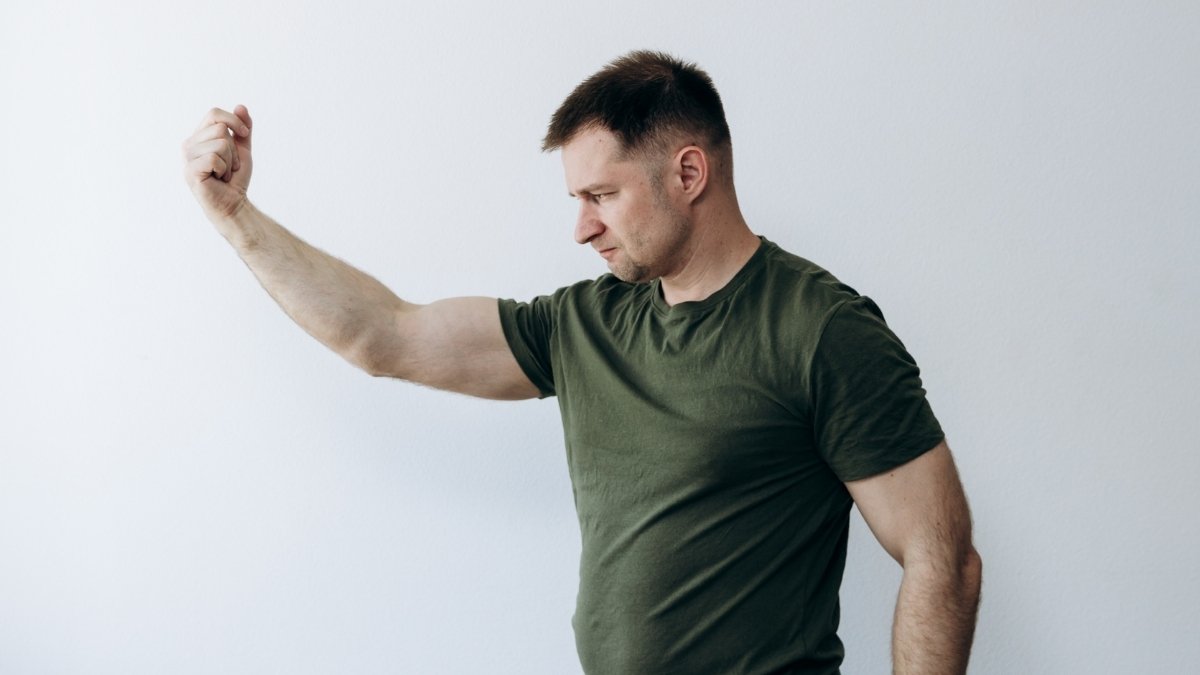
“Man up.” “Tough it out.” “Real men don’t cry.” You’ve heard these phrases your whole life. They seem harmless. But they’re slowly poisoning men’s mental health.
These words teach boys that emotions equal weakness. By age five, most boys learn to hide sadness, fear, and vulnerability. This isn’t strength. It’s emotional damage disguised as toughness.
Workplaces reward men for staying silent. Corporate cultures praise the guy who works through his divorce without missing a beat. They promote the manager who never shows stress during layoffs. They celebrate the salesman who smiles through burnout.
This creates toxic masculinity at the office level. Men learn that career success requires emotional suppression men must master. The cost? Higher rates of heart disease, depression, and substance abuse.
Social media makes everything worse. Instagram and TikTok flood men with images of “alpha males” who never struggle. These influencers sell courses on being “stoic” and “disciplined.” They misuse real philosophical concepts to sell fake strength.
Studies show that men who consume this content report feeling more inadequate and isolated. They compare their real struggles to curated highlight reels. The gap feels impossible to close.
Fathers pass this damage to their sons. A dad who can’t express emotion raises a son who can’t either. This creates intergenerational trauma patterns that repeat for decades.
Research shows that boys with emotionally distant fathers are twice as likely to develop anxiety disorders. They learn that love comes with conditions. Show weakness, lose respect.
Real stoicism gets twisted completely. Ancient Stoic philosophers wrote about accepting emotions and processing them wisely. Modern “stoicism” just means “don’t feel anything.” That’s the opposite of what Marcus Aurelius actually taught.
True strength means feeling your emotions fully, then choosing how to respond. Fake strength means pretending emotions don’t exist until they explode in destructive ways.
The workplace examples are everywhere. A finance manager has panic attacks but calls them “stress.” A construction foreman drinks every night to cope with job pressure but says he’s “unwinding.” A startup founder works 90-hour weeks and calls it “grinding.”
None of these men seek help. They’ve learned that admitting struggle means admitting failure.
The language trap keeps men stuck. When someone says “man up,” they’re really saying “your feelings don’t matter.” When they say “tough it out,” they mean “suffer in silence.”
These phrases sound motivational. But they create shame around normal human experiences like sadness, fear, and exhaustion.
You can break this cycle. Start by noticing when you use these phrases with yourself or others. Replace “man up” with “that sounds really hard.” Replace “tough it out” with “what support do you need?”
The strongest thing you can do is admit when you’re struggling. That takes real courage.
Breaking free from toxic masculinity and emotional suppression men face requires recognizing how “strength” has been redefined to mean emotional numbness.
The Physical Toll: How Mental Suppression Manifests in the Body

Your body is keeping score. Even when you push down emotions, your physical self feels everything. Suppressed mental health problems don’t just disappear. They show up as real, painful physical symptoms.
Stress-related illnesses hit men harder. Men are 60% more likely to develop stress-related conditions like high blood pressure, ulcers, and chronic headaches. When you can’t express emotional pain, your body finds other ways to signal distress.
The connection between masculine stress health and physical problems is clear. Men who suppress emotions have cortisol levels that stay high all day. This hormone damages nearly every system in your body over time.
Substance abuse becomes the escape route. Men are twice as likely as women to abuse alcohol and drugs. Why? Because society teaches them that drinking is more acceptable than crying.
Nearly 75% of men with depression also have substance abuse problems. They’re not partying. They’re self-medicating pain they can’t express any other way.
Sleep becomes impossible. Suppressed emotions don’t vanish at bedtime. They keep your mind racing when you should be resting. Men with untreated mental health issues are 40% more likely to have chronic insomnia.
Poor sleep then creates more physical problems. Your immune system weakens. Your heart works harder. Your body can’t repair itself properly.
Your heart pays the biggest price. Men die from heart disease at twice the rate of women. Much of this gap comes from emotional suppression and chronic stress.
When you constantly push down feelings, your cardiovascular system stays in fight-or-flight mode. Your heart races. Your blood pressure spikes. Over years, this literally wears out your heart.
Your immune system gives up. Chronic emotional suppression confuses your body’s defense system. Men have higher rates of autoimmune diseases than people realize. Their bodies start attacking healthy tissue because stress hormones stay elevated too long.
The life expectancy gap tells the story. Men live 5-7 years less than women on average. Much of this difference comes from untreated mental health issues that turn into physical disease.
Your body is trying to tell you something. Those headaches, that back pain, the constant tiredness – they might be your suppressed emotions asking for attention.
Men’s physical health mental health connection isn’t optional. Ignore your mental health, and your body will force you to pay attention eventually.
Understanding masculine stress health means recognizing how men’s physical health mental health issues are deeply connected.
Redefining Healthy Masculinity: A Path Forward

What does a truly strong man look like? Not the guy who never shows emotion. Not the one who works himself to death. Real strength looks different than what you’ve been taught.
Healthy masculinity means being strong enough to be vulnerable. It means competing without destroying others. It means asking for help when you need it.
Emotional intelligence is the ultimate masculine skill. Men who can read emotions, express feelings clearly, and support others have better relationships, more career success, and lower stress levels. This isn’t “soft” – it’s strategic.
Studies show that men’s emotional intelligence directly correlates with leadership effectiveness and income. The most successful CEOs aren’t the toughest. They’re the ones who connect with people.
Look at the right role models. Ryan Reynolds talks openly about his anxiety. The Rock shares his depression struggles on social media. Terry Crews testified about sexual assault to help other men. These guys didn’t become less masculine. They became more respected.
Athletes like Kevin Love and Michael Phelps discuss mental health regularly. They show that Olympic-level performance and emotional honesty can coexist.
Healthy competition builds people up. Toxic competition says “I win, you lose.” Healthy competition says “we both get better.” It’s mentoring a younger colleague instead of sabotaging them. It’s celebrating a friend’s promotion instead of feeling threatened.
Building male friendships takes work. Most men have drinking buddies, not real friends. Real friendship means sharing struggles and supporting each other through tough times.
Start small. Text a friend and ask how they’re actually doing. Listen to the answer. Share something real about your own life. Repeat this process regularly.
Seeking professional help is courage, not weakness. Therapy doesn’t mean you’re broken. It means you’re smart enough to get expert help for an important problem. You hire a trainer for your body and an accountant for your taxes. Why not hire a therapist for your mental health?
Here’s your 5-step daily emotional check-in:
- Stop what you’re doing for 30 seconds
- Ask yourself: “What am I feeling right now?”
- Name the emotion specifically (frustrated, worried, excited)
- Ask: “What does this feeling need from me?”
- Take one small action based on that need
Build your male support network like this: Identify three men you respect. Reach out once per week with a real question or concern. Share something vulnerable first. Most men are hungry for authentic connection.
Advocate for men’s mental health at work. Suggest mental health days in addition to sick days. Push for Employee Assistance Programs. Start a men’s support group at your company. Many organizations want to help but don’t know how to start.
Use these conversation starters: “I’ve been struggling with something and could use your perspective.” “How are you handling stress at work lately?” “I read that men have higher suicide rates – that’s been on my mind.”
Real companies are leading the way. Johnson & Johnson created male-specific mental health programs after noticing higher stress-related illness rates among male employees. Google offers “mindfulness for men” workshops. Unilever has peer support groups specifically for fathers balancing work and family.
Community programs work too. Men’s Sheds in Australia bring men together for projects and conversation. Movember creates spaces for men to discuss mental health. Local gyms are starting “sweat and share” groups that combine fitness with emotional support.
The path forward isn’t complicated. Start by admitting that the old rules don’t work. Begin sharing real struggles with trusted friends. Get professional help when you need it. Compete in ways that lift others up.
Healthy masculinity and men’s emotional intelligence aren’t about becoming less masculine – they’re about becoming more human.
Resources and Support: Where Men Can Get Help
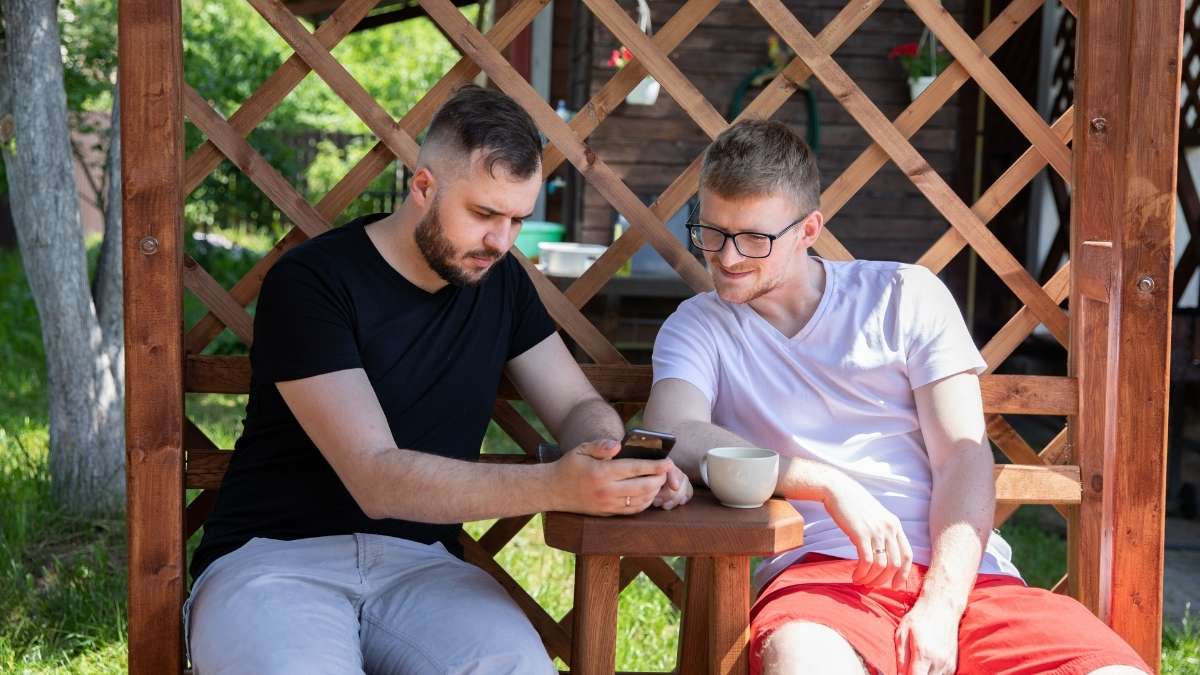
You don’t have to figure this out alone. Getting help isn’t giving up. It’s the smartest thing you can do. Here are real resources that work for men specifically.
Crisis help is available 24/7. If you’re having thoughts of suicide, call 988 for the National Suicide Prevention Lifeline. Text “HELLO” to 741741 for the Crisis Text Line. Both are free and confidential. You don’t need to be in immediate danger to use them.
Organizations built for men exist. The Men’s Health Network focuses on male-specific mental health issues. Movember funds men’s mental health programs worldwide. The Good Men Project creates content and community for men working on personal growth.
Therapy approaches that work for men are available. Many men prefer solution-focused therapy over traditional talk therapy. Cognitive Behavioral Therapy (CBT) gives you practical tools to change negative thought patterns. Some therapists specialize in men’s issues and use more direct, action-based approaches.
Online platforms make therapy easier. BetterHelp and Talkspace offer text-based therapy if talking face-to-face feels too intense. Many men prefer this format because it feels less vulnerable initially.
Apps designed for men’s wellbeing help daily. Headspace has meditation programs specifically for men. Sanvello tracks mood and provides coping tools. The ManKind Project app connects you with other men working on personal development.
Books that actually help include: “The Way of the Superior Man” by David Deida, “Men and Depression” by Terrence Real, and “The Man They Wanted Me to Be” by Jared Yates Sexton. These books address male-specific challenges without the typical self-help fluff.
Podcasts for real conversations: “The Art of Manliness” covers mental health alongside other topics. “Man Therapy” uses humor to discuss serious issues. “The Mental Illness Happy Hour” features honest conversations about depression and anxiety.
Online communities provide peer support. Reddit has r/MentalHealthSupport and r/MensLib. These communities discuss male mental health without toxic masculinity. Real men share real struggles and support each other.
Your workplace might have resources too. Check if your company offers Employee Assistance Programs (EAP). Many provide free counseling sessions. HR can tell you what’s available and how to access it confidentially.
The hardest part is starting. Pick one resource from this list and try it today. You deserve support.
Finding men’s mental health resources and male therapy support is easier than you think – the key is taking the first step.
Conclusion
The numbers don’t lie. Men are dying by suicide at alarming rates. They’re suffering in silence because society taught them that emotions equal weakness. This crisis is real, urgent, and preventable.
Traditional masculinity isn’t protecting men. It’s killing them. The “strong, silent type” leads to depression, addiction, and early death. It’s time to rewrite these rules.
Change is happening. Companies are creating men’s mental health programs. Athletes and celebrities are sharing their struggles. Communities are building support networks specifically for men.
Seeking help is the strongest thing you can do. It takes courage to admit you’re struggling. It takes wisdom to get professional support.
If you’re a man reading this who’s struggling, reach out today. If you know a man who might be struggling, check in on him. Together, we can redefine what it means to be strong.
Breaking free from toxic masculinity mental health patterns and finding men’s mental health support starts with one brave conversation.