

Sarah swipes through 50 profiles before breakfast, feels nothing, and wonders why dating feels like a soul-crushing job.
She’s not alone. Millions of people open dating apps every day hoping to find love. Instead, they find anxiety, depression, and a growing sense that something is deeply wrong with modern dating.
Dating apps promise to solve your relationship problems. They claim to make meeting people easier and more efficient. But research shows they often do the opposite. These apps can damage your mental health, destroy your self-confidence, and make you worse at forming real connections.
You’ve probably felt it yourself. The endless swiping that leads nowhere. The matches who never message back. The constant pressure to be perfect in photos and witty in texts. The nagging feeling that you’re doing something wrong when everyone else seems to be having success.
This isn’t your fault. Dating apps are designed to keep you engaged, not to help you find lasting love. The mental health impact is real, backed by science, and affecting both men and women in different but serious ways.
You’ll learn why online dating burnout happens, how it’s damaging your mental health, and most importantly – what you can do about it. There are practical steps you can take to protect yourself while still staying open to real connection.
Modern dating problems require modern solutions.
The Science Behind Dating App Mental Health Damage
You swipe. You match. You feel great. Then nothing happens, and you feel worse than before. Sound familiar?
Your brain isn’t broken. Dating apps are designed to work this way. They use the same tricks that make slot machines addictive.
Your Brain on Dating Apps
Every time you get a match, your brain releases dopamine. This chemical makes you feel good. But here’s the problem: you never know when the next match will come. This creates what scientists call a “variable reward schedule.”
Tinder’s algorithm makes this worse. It shows you attractive people first, then less attractive ones. You keep swiping, hoping for another dopamine hit. Before you know it, you’ve spent 90 minutes scrolling. The average user does this every single day.
Too Many Choices Break Your Brain
Dating apps give you endless options. Sounds good, right? Wrong. Research shows that too many choices make you freeze up. You can’t decide who to message. You wonder if someone better is just one swipe away.
This choice overload leads to what psychologists call “decision paralysis.” You end up choosing no one. Or you pick someone, then immediately regret it because you’re thinking about all the other options.
People Become Products
Dating apps turn people into shopping items. You judge someone in three seconds based on their photos. They judge you the same way. This commodification of human connection changes how you see yourself and others.
Studies show that 78% of dating app users report burnout. They feel like they’re in a endless cycle of judging and being judged. Your self-worth starts to depend on how many matches you get.
Your Self-Esteem Takes a Hit
Every time someone doesn’t match with you, your brain sees it as rejection. Even though you rejected dozens of people yourself, the rejections hurt more than the matches help.
Research on cortisol levels shows that frequent rejection increases stress hormones. Your body stays in fight-or-flight mode. Dating anxiety has increased by 30% since 2019, and dating app addiction is a big reason why.
The Rejection Spiral
The more you use dating apps, the more sensitive you become to rejection. Your brain starts expecting it. You begin to think something is wrong with you when matches don’t respond.
This rejection sensitivity spills over into your real life. You become afraid to approach people in person. You lose confidence in face-to-face conversations.
Why This Matters
Dating apps promise to solve your loneliness. Instead, they often make it worse. The psychological effects of online dating are real and measurable. Your mental health suffers while app companies profit from your pain.
The solution isn’t to swipe harder. It’s to understand how these apps manipulate your brain and take back control.
How Dating Apps Specifically Impact Men’s Mental Health
You download a dating app hoping to meet someone. Instead, you end up staring at your phone, wondering what’s wrong with you. The silence feels deafening.
If this sounds like your experience, you’re not alone. Dating apps hit men’s mental health in ways that most people don’t talk about.
The Match Rate Reality Check
Here’s a hard truth: men receive 10 times fewer matches than women on average. While women might get dozens of matches per day, you might get one or two per week. Sometimes none at all.
This isn’t about your looks or personality. It’s about how these apps work. Women get overwhelmed with options, so they become more selective. You’re competing with hundreds of other guys for the same person’s attention.
Each day without matches feels like rejection. Your brain starts to think you’re not good enough. Research shows that 72% of male users report decreased confidence after using dating apps regularly.
The Pressure to Be Perfect in 10 Words
When you do get a match, the pressure is intense. You have maybe one or two messages to make an impression. No pressure, right?
You spend 20 minutes crafting the perfect opening line. You analyze every word. When she doesn’t respond, you wonder what you did wrong. This constant performance anxiety is exhausting.
In real life, you can use body language, tone of voice, and timing. On apps, you’re reduced to text on a screen. Your personality gets lost in translation.
Feeling Like a Disposable Product
Dating apps make you feel replaceable. You know she has dozens of other matches waiting. One boring message and you’re deleted, forgotten, replaced.
This commodification anxiety is real. You start to see yourself as just another option in someone’s shopping cart. Studies show this leads to what psychologists call “disposability stress” – the fear that you don’t matter.
You begin to think that if you were worth keeping around, you’d get more matches. Your self-worth becomes tied to numbers on a screen.
Competing with Fantasy Profiles
Every guy’s profile looks like a male model who climbs mountains and speaks three languages. You’re competing with carefully curated highlight reels.
This creates body dysmorphia and lifestyle anxiety. You start to feel inadequate because you don’t have abs or exotic travel photos. Research shows that men develop unrealistic standards for themselves based on what they see on dating apps.
You might even start lying about your height, job, or interests. The pressure to compete makes you lose touch with who you really are.
Your Social Skills Are Getting Rusty
The more time you spend swiping, the less comfortable you become with real-world interactions. Face-to-face conversation starts to feel weird and scary.
You lose practice reading social cues. You forget how to flirt naturally. When you do meet someone in person, you feel awkward and out of practice.
Traditional courtship skills – like approaching someone at a coffee shop or making conversation at a party – start to disappear. You become dependent on the app to make connections.
The Mental Health Cost
Heavy dating app use increases depression rates in men by 35%. The constant rejection, performance pressure, and social comparison take a real toll.
You might develop social anxiety that wasn’t there before. Some men report feeling hopeless about finding love. Others develop an unhealthy relationship with validation that extends beyond dating.
Why This Matters to You
Dating apps promise to make dating easier. For many men, they make it harder and more damaging to mental health. Recognizing these patterns is the first step to protecting yourself.
Your worth isn’t measured in matches. Your personality can’t be captured in a profile. Real connection happens when you look up from your phone.
The Hidden Toll on Women: Beyond the Surface Level
You have 99+ matches, but you feel more alone than ever. People assume dating apps are easier for women. They’re wrong.
While you might get more matches than men, those matches come with a different kind of psychological damage that most people don’t see.
Living in Constant Defense Mode
Your inbox is full of messages. But many aren’t what you hoped for. Research shows that 57% of women experience harassment on dating apps. You get crude comments, unsolicited photos, and aggressive responses when you don’t reply fast enough.
This creates what psychologists call “hypervigilance.” You’re always on guard, scanning for red flags and potential threats. Your brain stays in alert mode, which is exhausting.
You develop a sixth sense for spotting fake profiles, married men, and guys who just want hookups. This constant threat assessment takes mental energy away from actually connecting with people.
The Burden of Endless Sorting
You spend hours each day filtering through inappropriate messages. This emotional labor is real work that nobody talks about. You become a human spam filter, sorting through dozens of messages to find one decent conversation.
Many guys don’t understand the mental toll this takes. You’re not being picky – you’re protecting your sanity. Each crude message chips away at your faith in finding genuine connection.
This filtering process becomes a second job. You’re working to find love instead of naturally falling into it.
Too Many Choices, Too Much Anxiety
Having lots of matches sounds great until you realize it creates a new problem. You can’t decide who to talk to. You wonder if someone better is waiting in your queue.
This choice overload leads to commitment anxiety. Even when you find someone you like, you keep thinking about all the other options. Research shows this “grass is greener” mentality makes it harder to build real relationships.
You might ghost people you actually like because you’re overwhelmed by possibilities. The abundance of choice becomes a curse instead of a blessing.
Your Body Becomes a Brand
Dating apps reduce you to a collection of photos. You feel pressure to look perfect in every picture. Studies show that 68% of women feel this photo pressure, leading to increased body dysmorphia.
You spend hours choosing the right angles and filters. You start to see yourself as a product competing for attention. This objectification affects how you view your own worth.
Research on objectification theory shows that constant appearance focus leads to anxiety, depression, and eating disorders. Your value becomes tied to likes and matches instead of who you are as a person.
Safety Fears That Follow You Home
Dating app safety concerns create mental stress that extends beyond the app. You worry about stalkers, catfishes, and violent encounters. These aren’t silly fears – they’re based on real experiences that other women share.
You develop elaborate safety protocols for meeting strangers. You tell friends where you’re going, meet in public places, and drive yourself to dates. This planning adds stress to what should be exciting experiences.
The fear of physical danger makes dating feel more like risk management than romance.
The Anxiety Epidemic
Women now report 40% more dating anxiety than before dating apps existed. The combination of harassment, choice overload, objectification, and safety concerns creates a perfect storm for mental health issues.
You might find yourself more anxious in general, not just about dating. The hypervigilance and constant evaluation carry over into other parts of your life.
Why This Matters
Dating apps were supposed to make finding love easier and safer for women. Instead, they often create new forms of psychological stress that nobody prepared you for.
Recognizing these patterns helps you protect your mental health while still staying open to real connection.
The Broader Social Impact: How Apps Change How We Connect
When was the last time you met someone new without a screen involved? If you can’t remember, you’re not alone.
Dating apps are changing more than how we find dates. They’re rewiring how our entire society connects with each other.
We’ve Forgotten How to Meet People Naturally
Remember when people met at work, through friends, or at coffee shops? Those opportunities still exist, but we don’t see them anymore. We walk past potential connections while staring at our phones.
Research shows that organic meetings have dropped by 70% since dating apps became popular. We’ve become so dependent on algorithms that we’ve lost the skill of reading real-world social cues.
You might feel awkward starting a conversation with a stranger at a bookstore. This used to be normal. Now it feels weird because we expect technology to do the work for us.
Our Patience for People is Shrinking
Dating apps train you to make quick judgments. You decide if someone is worth your time in three seconds. This mindset bleeds into real life.
You expect instant chemistry on first dates. If someone doesn’t immediately impress you, you write them off. Studies show that average relationship duration has decreased by 40% since apps became mainstream.
People used to slowly develop feelings over weeks or months. Now you expect fireworks immediately, or you swipe left in your mind.
Digital Communication Kills Empathy
Text-based dating reduces empathy. You can’t see facial expressions, hear tone of voice, or feel body language. This makes it easier to treat people badly.
Research on digital natives shows decreased ability to read emotional cues. You become less skilled at understanding how your words affect others. Ghosting and cruel rejection become normal because the other person feels less real.
When you finally meet face-to-face, you might struggle to connect emotionally. Your empathy muscles have gotten weak from too much screen time.
Relationship Skills Are Disappearing
Apps teach you that problems mean you should find someone new. They don’t teach you how to work through conflicts, compromise, or build deep intimacy.
You lose practice with the messy, difficult parts of relationships. When real issues come up, your first instinct is to open the app and find someone else.
Long-term relationship skills like patience, forgiveness, and commitment become foreign concepts. You expect relationships to be as easy as swiping.
The Disposable Dating Culture
Society now treats people like they’re replaceable. There’s always another match waiting. This creates a culture where nobody tries very hard to make things work.
You give up on good relationships because you think something better is out there. You develop unrealistic expectations based on endless options.
Why This Matters to Everyone
These changes affect more than just dating. They impact friendships, family relationships, and how we treat coworkers. We’re becoming less patient, less empathetic, and less committed in all our relationships.
The skills that apps eliminate – patience, empathy, commitment – are the same skills that make all human connections stronger.
Red Flags: Signs You’re Experiencing Dating App Burnout
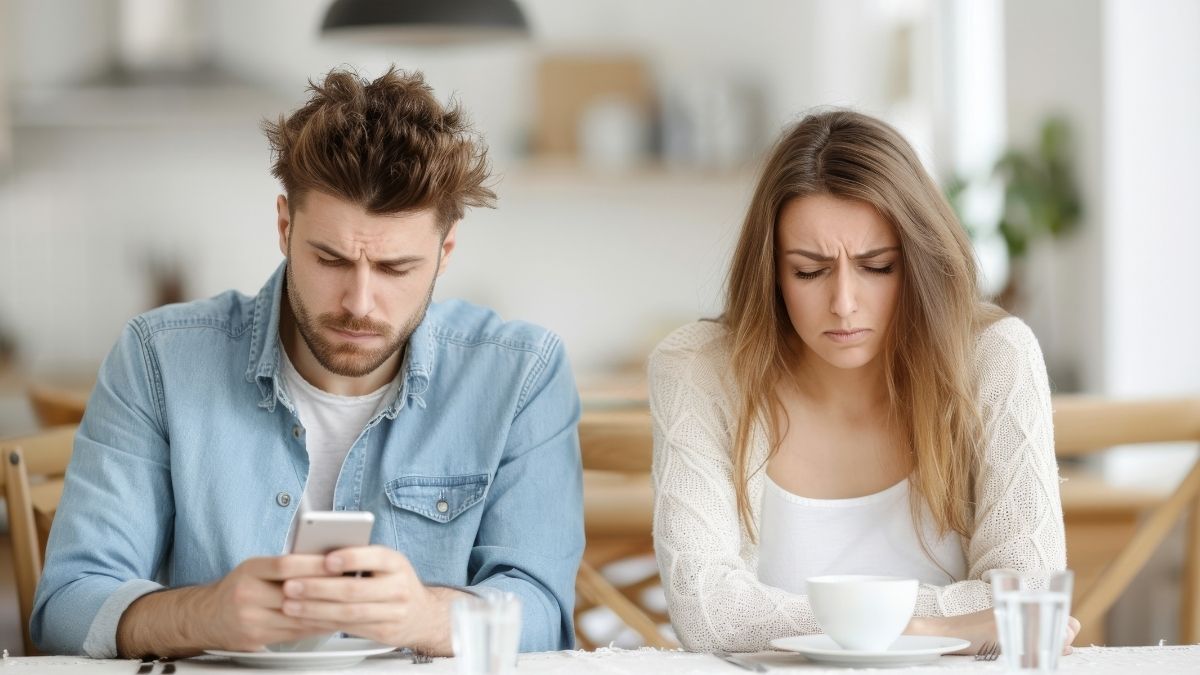
You’re swiping through profiles, but nothing feels exciting anymore. Everyone looks the same. Every conversation feels pointless.
If this sounds familiar, you might be experiencing dating app burnout. Here are the warning signs your mental health is paying the price.
Your Swiping Has Become Mindless
You swipe without really looking at profiles. You’re going through the motions like a robot. Sometimes you realize you’ve been swiping for an hour without remembering a single person.
This compulsive behavior means the app has become a habit instead of a tool. You’re not actually looking for connection anymore – you’re just feeding an addiction.
You’ve Become a Dating Cynic
You assume everyone is lying in their profile. You expect every conversation to go nowhere. You roll your eyes at couples in public and think their happiness is fake.
This cynicism spreads beyond dating. You start to doubt that real love exists at all. Your hope for genuine connection disappears.
Your Body is Telling You to Stop
You can’t sleep because you’re thinking about why someone didn’t message back. Your appetite changes – you either eat too much or forget to eat. You feel tired all the time even when you’re getting enough sleep.
These physical symptoms are your body’s way of saying the stress is too much. Dating anxiety is becoming general anxiety.
Everyone Else Looks Perfect
You spend hours comparing yourself to other profiles. Their photos look professional while yours feel amateur. Their bios are witty while yours seem boring.
You start to think you need plastic surgery, a better job, or a completely different personality. Your self-esteem depends on how you stack up against strangers online.
Nothing Excites You Anymore
New matches don’t give you that little thrill they used to. Conversations feel like work instead of fun. You find yourself not caring if people respond or not.
This emotional numbness is a defense mechanism. Your brain is protecting itself from more disappointment by shutting down feelings completely.
You Avoid Meeting People in Person
The thought of actually going on a date makes you anxious. You prefer endless texting because meeting face-to-face feels too risky. You cancel dates at the last minute or make excuses to avoid them.
This avoidance behavior shows that the apps have made you less confident in real-world social situations, not more.
What This Means for You
Recognizing these signs is the first step to getting your mental health back on track. Dating app burnout is real, and it’s affecting more people than you think.
The good news? You can fix this once you admit it’s happening.
Practical Solutions: How to Protect Your Mental Health While Dating
You want to find love, but you don’t want to lose yourself in the process. The good news? You can use dating apps without letting them destroy your mental health.
Here’s how to take back control and protect your well-being while still staying open to real connection.
Set Clear Time Boundaries
Decide when and how long you’ll use dating apps each day. Try the “20-minute rule” – spend no more than 20 minutes swiping per day. Set a phone timer and stick to it.
Pick specific times for app use. Maybe 15 minutes after breakfast and 15 minutes before dinner. Don’t check apps right before bed or first thing in the morning. This protects your sleep and prevents dating stress from ruining your day.
Turn off all dating app notifications. You don’t need to know instantly when someone matches with you. Check messages on your schedule, not theirs.
Choose Quality Over Quantity
Stop trying to match with everyone. Be pickier about who you swipe right on. Read their full profile before deciding. Look for genuine compatibility, not just attractive photos.
Limit yourself to three active conversations at once. This helps you give real attention to each person instead of juggling dozens of shallow chats.
When someone matches with you, ask yourself: “Would I actually want to spend an evening with this person?” If the answer isn’t yes, don’t waste time messaging them.
Take Regular Digital Detox Breaks
Delete dating apps every Sunday. Reinstall them on Tuesday. This gives you a three-day break each week to remember what life feels like without constant swiping.
Take longer breaks when you feel burned out. One week off dating apps won’t hurt your chances of finding love. It might actually help by resetting your mental state.
During breaks, focus on activities that make you feel good about yourself. Exercise, hang out with friends, or pursue hobbies that have nothing to do with dating.
Focus on One Person at a Time
When you find someone you genuinely like, pause your swiping. Give that connection your full attention for at least a week. See where it goes before adding more options to your mental juggling act.
This approach helps you avoid the “grass is greener” syndrome. You can’t properly evaluate someone while you’re comparing them to dozens of other people.
If it doesn’t work out, then resume swiping. But give each promising connection a real chance.
Make Your Profile Authentic
Stop trying to create the perfect profile. Post photos that actually look like you on a normal day. Write about your real interests, not what you think others want to hear.
An authentic profile attracts people who like the real you. This leads to better matches and less pressure to maintain a fake persona.
Include at least one photo where you’re not posing. Show yourself laughing, doing a hobby, or just being natural.
Move Offline Quickly
Don’t text for weeks before meeting. If you’re interested in someone, suggest meeting in person within the first few days of messaging.
Try this script: “I’m enjoying our conversation. Want to continue it over coffee this weekend?” Simple and direct.
Meeting quickly prevents you from building up fantasy versions of people in your head. It also saves you from investing emotional energy in people who might not click with you in person.
Build Rejection Resilience
Practice this mindset shift: rejection isn’t about your worth as a person. It’s about compatibility. When someone doesn’t respond or cancels a date, think “We weren’t a good fit” instead of “Something is wrong with me.”
Keep a list of your positive qualities that have nothing to do with dating. Read it when you’re feeling down about matches or responses.
Remember that everyone on dating apps faces rejection. Even the most attractive, successful people get ignored and ghosted regularly.
Why These Solutions Work
These strategies protect your mental health by setting boundaries around your time, energy, and emotional investment. They help you use dating apps as tools instead of letting the apps use you.
The goal isn’t to find love faster. It’s to stay mentally healthy while you look for it.
Alternative Approaches: Meeting People Beyond the Apps
Dating apps aren’t working for you. You’re tired of swiping, tired of fake conversations, and tired of feeling like a product on a shelf.
What if there was a better way? There is. People met and fell in love for thousands of years before dating apps existed. Those methods still work.
Join Groups Around Your Actual Interests
Stop pretending you love hiking just to match with outdoorsy people. Instead, find groups that do things you actually enjoy. Use Meetup.com to find local hobby groups, book clubs, or game nights.
If you love cooking, join a cooking class. If you’re into board games, find a weekly game night. You’ll meet people who share your real interests, not your fake dating profile interests.
These connections feel more natural because you’re focused on the activity, not on impressing someone. Conversation flows easier when you’re both doing something you love.
Mix Business with Social Opportunities
Professional networking events aren’t just for career advancement. They’re full of single people your age who have similar education and career goals.
Join your industry’s local chapter or professional organization. Attend their happy hours and conferences. You’ll meet ambitious people who understand your work life.
Young professional groups exist in most cities. These organizations plan social events specifically for networking and meeting new people. The pressure is lower because everyone expects to make connections.
Volunteer for Causes You Care About
Volunteer work puts you around people who share your values. You’ll meet caring, community-minded individuals while doing something meaningful.
Find volunteer opportunities through VolunteerMatch.org or your city’s website. Animal shelters, food banks, and community gardens always need help. You’ll bond with others over shared purpose instead of shared photos.
The best part? You’re already seeing people at their best. They’re giving their time to help others, which tells you something important about their character.
Expand Your Social Circle
Tell your friends you’re looking to meet new people. Ask them to invite you to parties, group dinners, or casual hangouts. Friend-of-friend introductions have a built-in screening process.
Host your own gatherings. Invite friends and ask them to bring other friends. Game nights, potluck dinners, or movie nights create relaxed environments for meeting new people.
Join social sports leagues even if you’re not athletic. Kickball, bowling, and softball leagues are more about fun than competition. Many cities have leagues specifically for meeting people.
Reimagine Traditional Places
Coffee shops, bookstores, and farmers markets still work for meeting people. You just need to be more intentional about it. Bring a book to a coffee shop and actually read it. Someone might ask about it.
Take a class at your local community college. Photography, art, or language classes attract interesting people who want to learn new things.
Why This Works Better
These methods let you meet people in context. You see how they interact with others, handle stress, and behave when they’re not trying to impress anyone. You get to know their personality before deciding if you’re attracted to them.
Real-world meetings also feel less artificial. There’s no pressure to be perfect or witty in text messages. You can be yourself from the start.
Conclusion
Dating apps were supposed to make finding love easier. Instead, they’ve created new mental health challenges that affect millions of people every day.
The research is clear: these apps can damage your self-esteem, increase anxiety, and change how you connect with others. Men face unique pressures around match rates and performance. Women deal with harassment, safety concerns, and choice overload.
But recognizing these patterns puts you back in control. You don’t have to accept dating app burnout as normal. You don’t have to let algorithms decide your worth.
Whether you choose to use apps more mindfully, take regular breaks, or explore offline alternatives, small changes can protect your mental health while you look for love.
Your dating life should add joy to your life, not stress. Healthy dating practices start with putting your well-being first.
Start with one small change this week – set a daily app limit, try one offline activity, or practice self-compassion after rejection. Your future self will thank you.