

What if the most effective tool for preventing your next heart attack is currently sitting next to your bathroom sink? Most people treat dental care as purely cosmetic.
They remain completely unaware that untreated gum disease acts as a quiet, active threat to their arterial health. You might brush daily just for a nice smile. But skipping the floss leaves dangerous bacteria behind.
You will discover 10 scientifically proven facts about the oral systemic link. We will review groundbreaking 2025 data from the American Heart Association. You will learn exactly how to protect your heart right now.
1. Bacteria Travel Directly From Gums to Your Heart
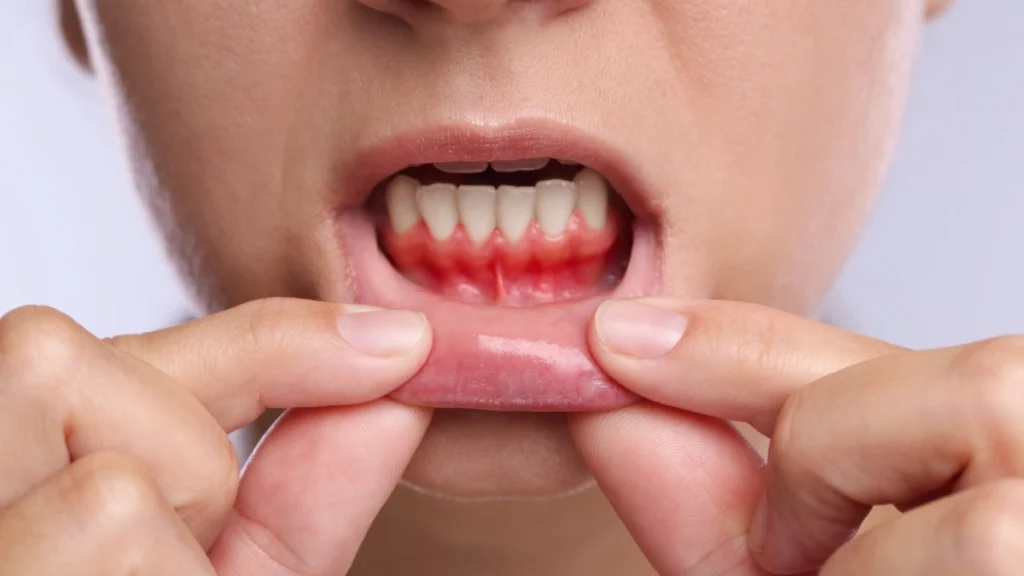
Bleeding gums create an open wound that dumps mouth bacteria straight into your bloodstream. This condition is called bacteremia, which means bacteria in the blood.
When your gums bleed, the blood vessels open up like wide gates. Oral bacteria like Porphyromonas gingivalis slip right through these gates.
Once these bacteria enter the bloodstream, the real danger begins. The bloodstream acts like a fast moving highway straight to your heart. These bacteria travel along this highway and attach to fatty deposits inside your blood vessels.
Even simple actions like aggressive chewing with severe gum disease can release bacteria into the blood.
This makes the oral health and cardiovascular disease connection very clear. Keeping your gums sealed and healthy stops this bacterial highway. If you want to prevent heart disease dental care must become a daily priority. Treat bleeding gums as a serious medical alarm bell.
2. Systemic Inflammation is the Silent Trigger
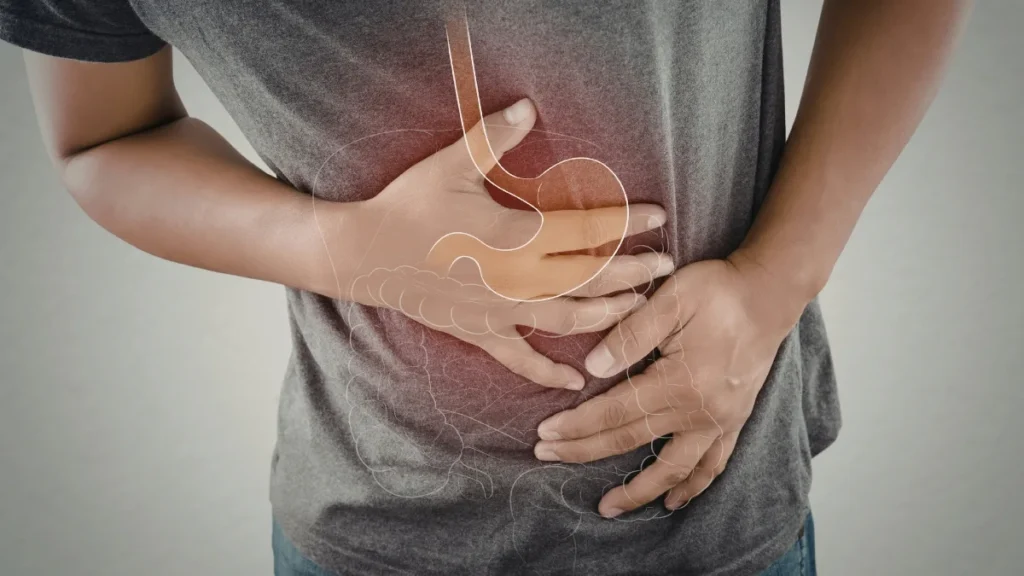
Your immune system’s response to oral bacteria sets off a cascade of vascular damage throughout your entire body. A swollen gum line is a localized problem. But when that swelling spreads through your blood, it becomes a systemic problem. Systemic means it affects your whole body.
Your body sees the invading mouth bacteria and panics. It sends out inflammatory cells to fight the infection. This creates systemic inflammation oral health experts warn about. This constant state of alert damages your blood vessels over time.
Doctors measure this panic using C reactive protein or CRP. CRP is a blood marker for inflammation. This marker spikes significantly in patients with severe periodontal disease.
High CRP means your blood vessels are constantly inflamed and taking damage. Controlling your gum swelling quickly stops this dangerous immune response from destroying your arteries.
3. Severe Gum Disease Triples Your Cardiovascular Risk
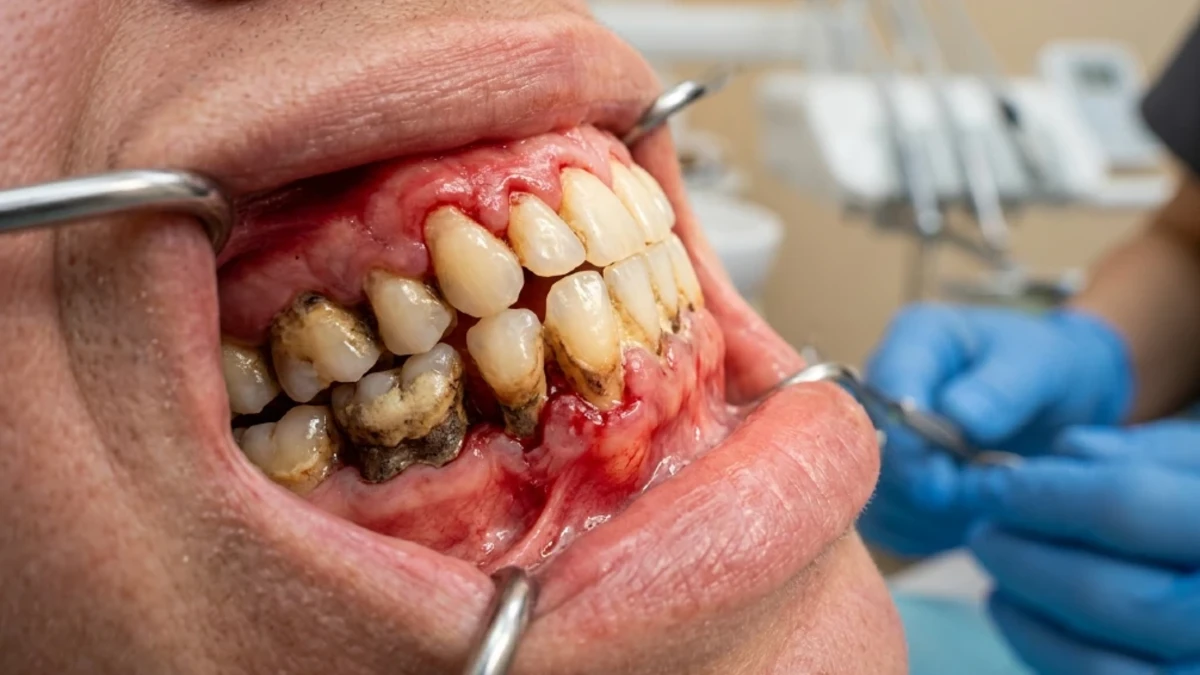
Individuals with gum disease are two to three times more likely to experience a heart attack or stroke. Harvard Medical School data confirms this massive jump in risk. The danger directly correlates with the severity of your mouth infection.
Watch closely for these physical symptoms of gum disease:
- Red or swollen gums
- Bleeding when you brush or floss
- A receding gum line
- Chronic bad breath
The data proves that the periodontal disease heart disease link is undeniable. The worse your gum disease gets, the higher your chances of a severe cardiac event. Patients missing multiple teeth face the highest risk levels of all.
Treating the gum disease early lowers this terrifying statistic. You can actively reduce your stroke risk just by keeping your natural teeth clean and healthy.
4. Dental Plaque Shares DNA With Arterial Plaque
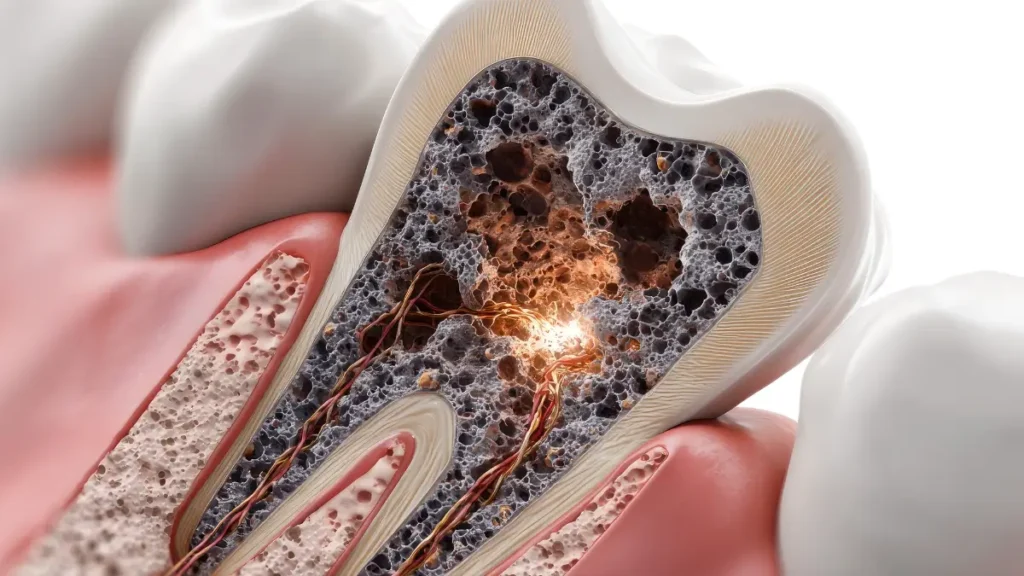
Oral bacteria have been physically found inside the plaque clogging patients heart arteries. Plaque in your mouth and plaque in your arteries are closely related.
Hardening of the arteries is a condition called atherosclerosis. It happens when sticky deposits build up inside your blood vessels.
The American Heart Association released a December 2025 scientific statement on Atherosclerotic Cardiovascular Disease. This statement confirmed direct ties to oral pathogens.
Scientists literally found DNA from mouth bacteria inside clogged heart arteries. The mouth plaque had traveled and become heart plaque.
This physical evidence cements the oral health and cardiovascular disease connection. The sticky film on your teeth can become the sticky blockage in your chest.
Brushing away dental plaque physically removes the exact building blocks of arterial blockages. A clean mouth means cleaner arteries.
5. Your Dentist is Now Your First Line of Defense
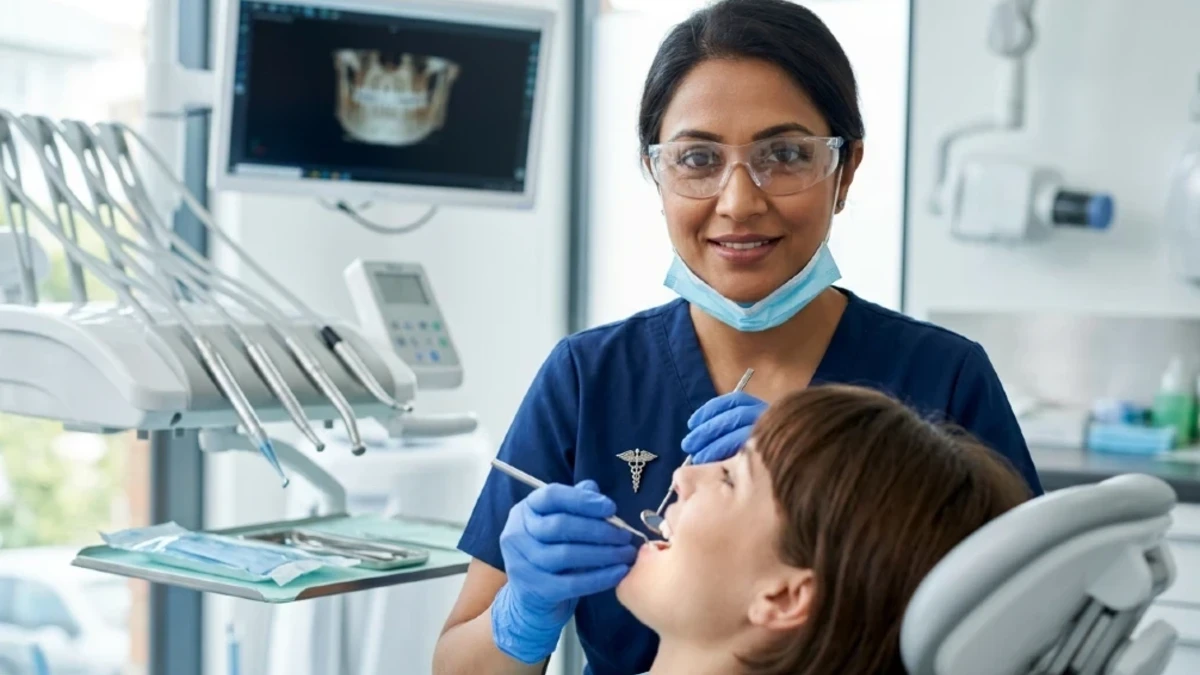
Dentists are now checking blood pressure before cleanings to spot systemic red flags early. Do not be confused if your dentist pulls out a blood pressure cuff.
This is the new gold standard of care in 2026. Medicine is shifting to treat the whole body together.
The American Heart Association recently launched the Healthy Smiles Healthy Hearts initiative. This program firmly bridges dental and cardiovascular care.
Your dentist looks inside your mouth and sees the health of your blood vessels. They can often spot hypertension before your primary care doctor does.
When you use strategies to prevent heart disease dental care is your first vital step. Your dentist acts as a crucial health scout.
They catch early warning signs of arterial stress during routine cleanings. Listen closely when your dental hygienist warns you about bleeding gums or high blood pressure.
6. Brushing Frequency Drastically Alters Your 10 Year ASCVD Risk

Brushing three or more times per day reduces your 10 year cardiovascular risk to 7.35 percent. The 2025 American Heart Association data shows a massive difference based on daily habits. People who brush once daily or less face a 13.7 percent risk.
You can slash your risk by following these daily actionable habits:
- Brushing at least twice a day
- Flossing once every evening
- Using a daily tongue scraper
- Using a water flosser
Mechanical removal of plaque is the secret weapon here. When you physically scrub the bacteria away, you prevent the systemic immune response. Your body does not have to fight an infection.
This statistic proves the periodontal disease heart disease link relies heavily on personal action. Invest in an electric toothbrush with a pressure sensor. Brush often to protect your heart today.
7. The Epigenetic Memory of Gum Disease Lingers
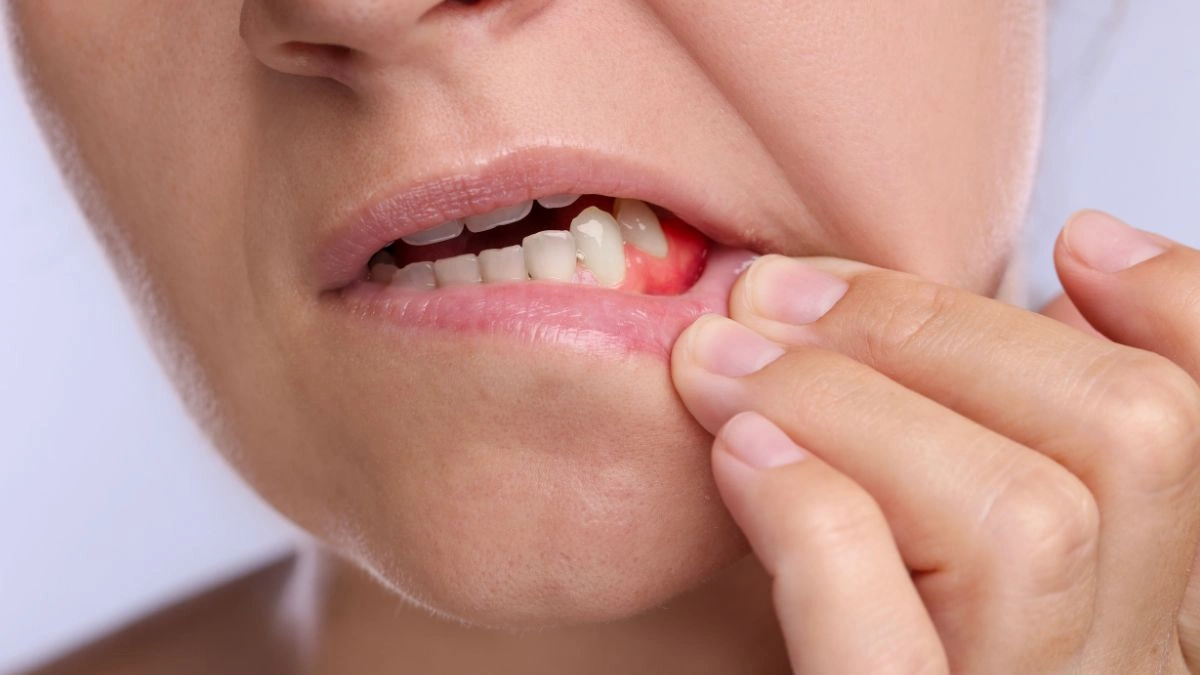
Periodontal inflammation changes your DNA expression, meaning your body remembers the risk factor even after treatment.
The risk does not drop to zero overnight just because you fixed your teeth. This happens through a process called methylation.
University of Alberta dental research shows that inflammation actually alters stem cells in your bone marrow. Your bone marrow produces your immune cells.
When these cells change, they carry an epigenetic memory of the infection. The systemic inflammation oral health problems cause will echo in your body for months.
This means prevention is always better than a late cure. You cannot just extract a bad tooth and instantly clear your cardiovascular risk. Your body needs time to forget the biological stress.
Keep your gums healthy from the start so your bone marrow never learns these bad inflammatory habits.
8. Endocarditis is Closely Tied to Oral Hygiene
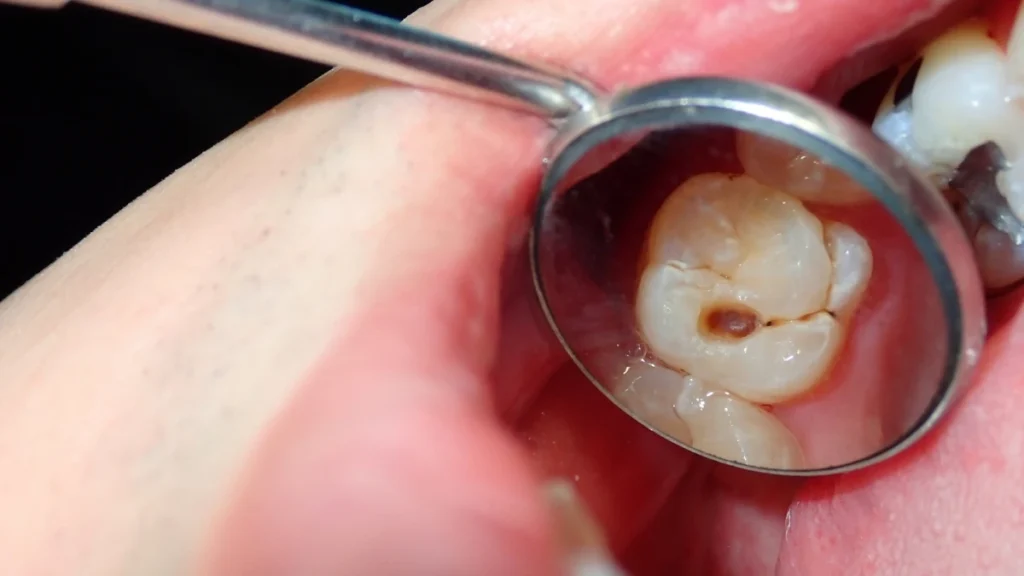
Oral streptococci bacteria are one of the most common causes of infective endocarditis. Endocarditis is a deadly infection of the inner lining and valves of your heart. When mouth bacteria enter the blood, they love to stick to damaged heart valves.
This is exactly why people with existing heart valve issues take antibiotics before dental work. The medication kills the bacteria before it reaches the heart. Routine cleanings can temporarily push bacteria into the bloodstream.
To successfully prevent heart disease dental care requires extra caution for high risk patients. Keeping your mouth spotless daily reduces the sheer volume of dangerous bacteria. Less bacteria in your mouth means less risk of a deadly heart valve infection.
9. Shared Risk Factors Multiply the Danger

Smoking, eating ultra processed foods, and uncontrolled diabetes destroy both your gums and heart tissue simultaneously. The mouth and the heart share the exact same enemies. These three shared risk factors create a vicious cycle of disease.
Smoking starves your gums of oxygen while stiffening your arteries. High sugar diets feed plaque bacteria while spiking your blood sugar. These are modifiable risks, which means you have the power to change them. You do not need to feel ashamed of past habits.
Improving your diet strengthens the oral health and cardiovascular disease connection in a positive way. Quitting vaping heals your mouth and protects your heart at the exact same time. Take control of these three areas today.
10. Treating Periodontitis Physically Heals Blood Vessels
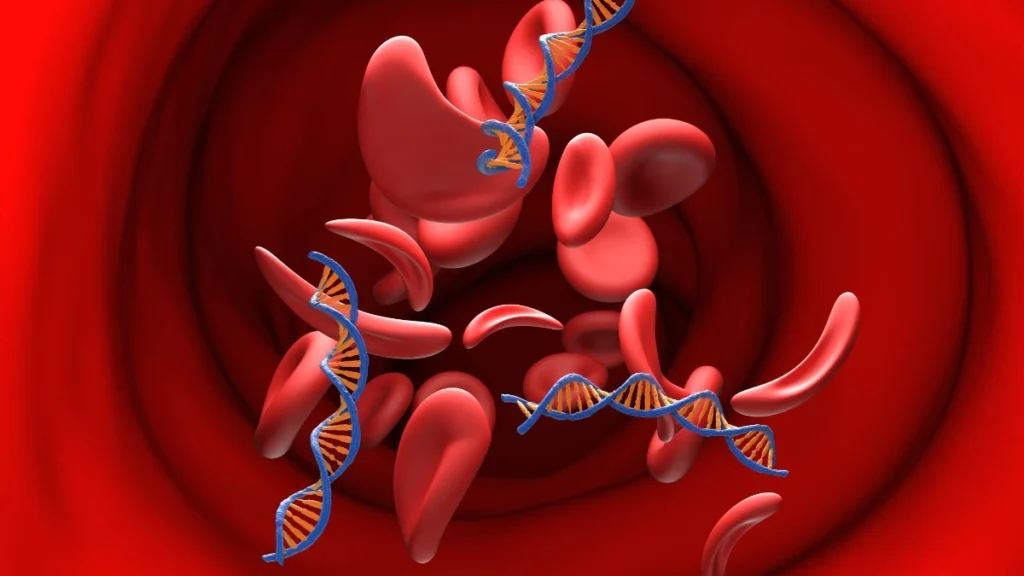
Treating gum disease has been linked to measurable blood pressure improvements in people with existing hypertension. Healing your gums literally heals your blood vessels. Deep dental cleanings remove the chronic bacterial threat from your body.
Once the mouth infection clears, your endothelial function improves. The endothelium is the delicate inner lining of your blood vessels. When systemic stress drops, these vessels relax and widen. This naturally lowers your blood pressure.
The periodontal disease heart disease link offers a message of deep hope. You are never helpless against cardiovascular decline.
Fixing your oral health yields fast, physical benefits for your entire circulatory system. Schedule a deep cleaning and watch your overall health metrics improve.